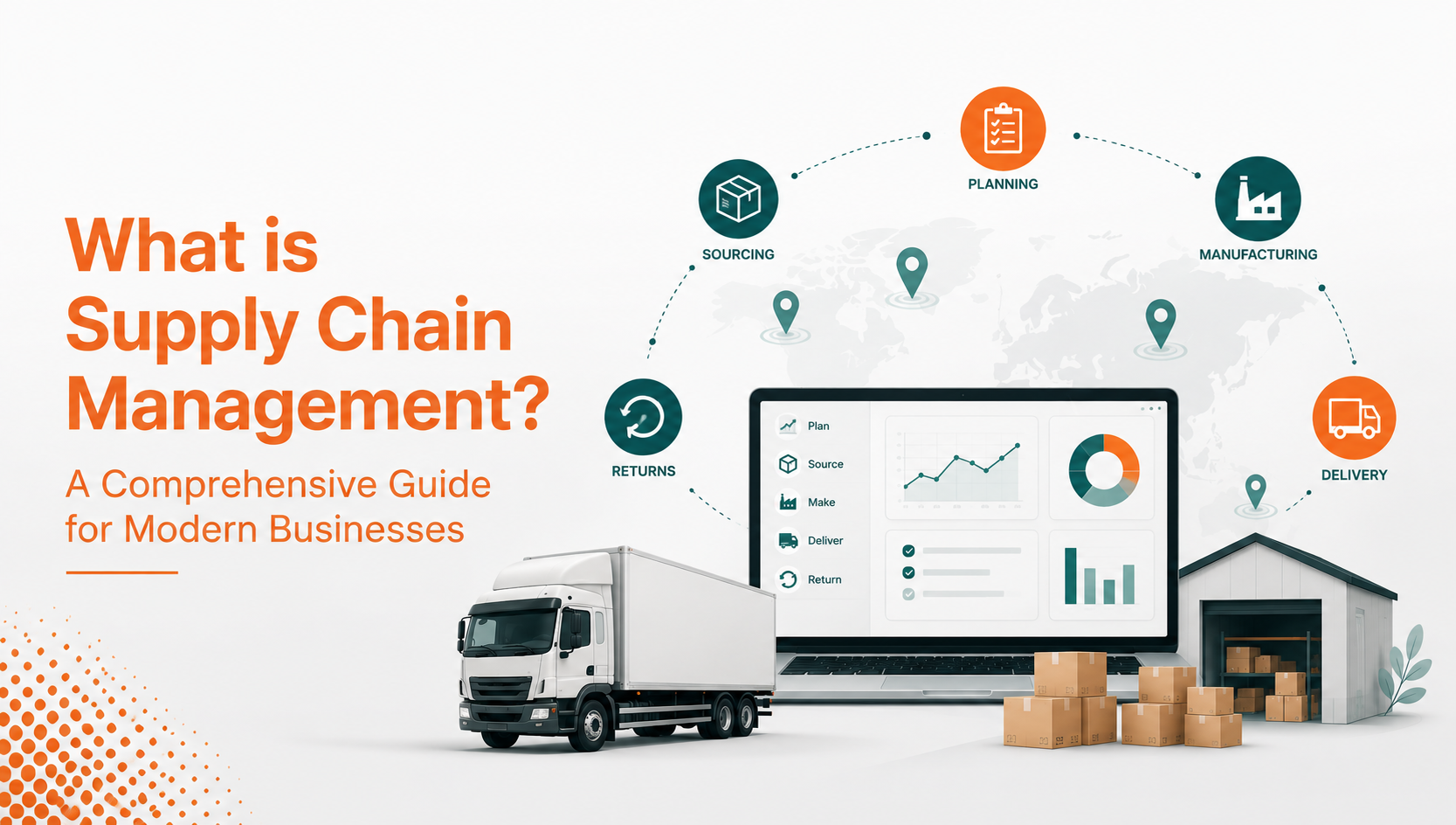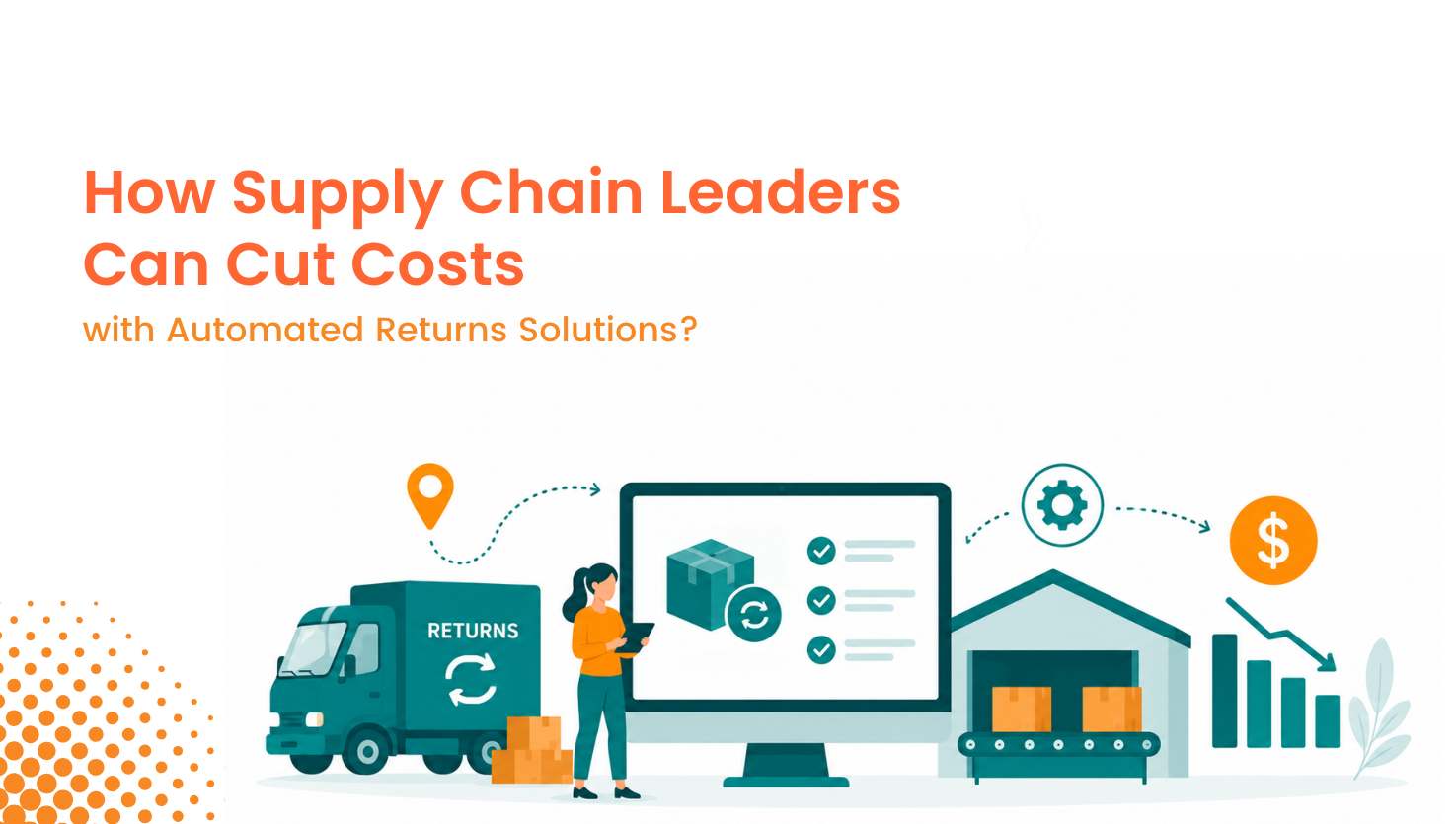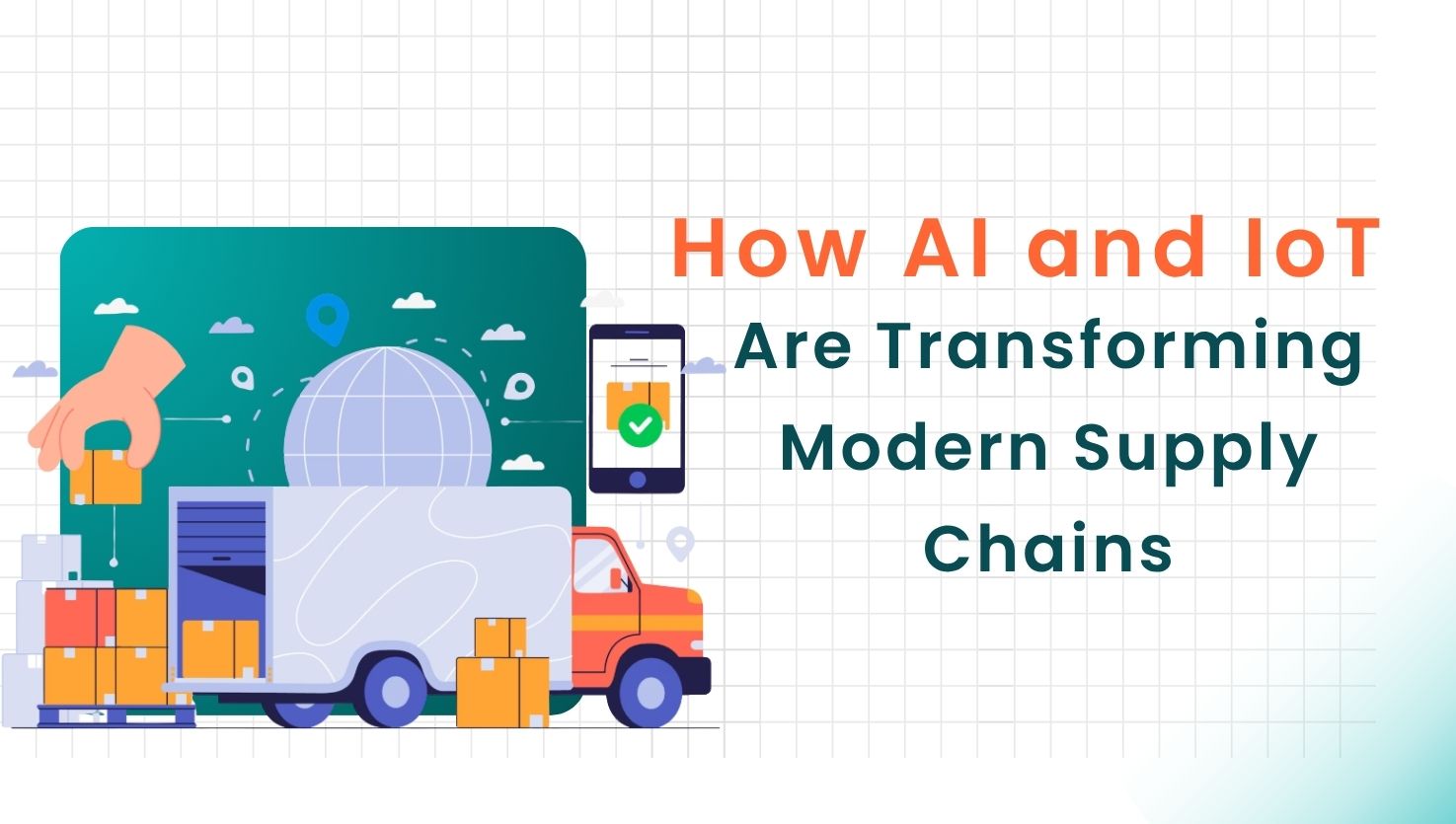






Efficient supply chain management has become a cornerstone of business success. As global operations grow more complex and customer expectations continue to rise, companies need advanced digital tools to streamline logistics, enhance visibility, and reduce operational risks. Supply Chain Management Software (SCM Software) enables this transformation by integrating sourcing, production, inventory, and distribution within a single intelligent ecosystem.
According to Gartner’s latest insights on supply chain innovation, organizations that adopt cloud-based and AI-driven supply chain systems are achieving faster decision-making, improved visibility, and greater resilience to disruptions. This shift toward digital-first operations highlights the critical role of SCM solutions in achieving agility and competitive advantage.
These platforms empower businesses with real-time data, predictive analytics, and collaborative tools that help minimize costs and improve responsiveness. With 2026 ushering in advancements such as autonomous planning, digital twins, and AI-based forecasting, choosing the right software can directly impact performance and customer satisfaction.
Why Businesses Need Supply Chain Management Software in 2026
Modern supply chains are global, interconnected, and vulnerable to disruptions. Delays, shortages, and shifting demand can quickly affect profitability. Supply Chain Management Software helps mitigate these challenges by:
- Enhancing visibility across suppliers, warehouses, and distribution channels
- Improving demand forecasting and inventory optimization
- Reducing manual processes through automation
- Enabling collaboration among suppliers, partners, and customers
- Supporting sustainability and compliance goals
By integrating data across departments and partners, SCM systems create a unified view that supports faster decision-making and long-term operational agility.
Below are the ten leading supply chain management software solutions shaping business operations in 2026. Each offers unique strengths in planning, analytics, execution, and collaboration.
Comparison Table: Top 10 Supply Chain Management Software of 2026
| Software | Key Focus Area | Primary Benefits |
| SAP Integrated Business Planning (IBP) | Demand and supply planning, inventory optimization | Improved forecast accuracy, balanced inventory, better coordination across departments |
| Oracle SCM Cloud | End-to-end supply chain visibility and automation | Faster planning cycles, reduced costs, enhanced agility |
| Blue Yonder | AI-driven forecasting and logistics optimization | Improved delivery performance, cost savings, greater automation |
| Kinaxis RapidResponse | Real-time simulation and agile planning | Faster decision-making, better responsiveness, stronger risk control |
| Infor Nexus | Supplier collaboration and global visibility | Enhanced transparency, sustainability tracking, reduced operational delays |
| E2open | Integrated planning and execution | Improved coordination, reduced logistics cost, better demand-supply balance |
| Manhattan Active Supply Chain | Warehouse and transportation management | Optimized logistics, faster fulfillment, improved delivery efficiency |
| Logility | Forecasting, replenishment, and inventory optimization | Lower inventory holding costs, reduced stockouts, improved service levels |
| Anaplan | Connected planning across departments | Better collaboration, quick adaptation to market changes, unified decision-making |
| O9 Solutions | AI and digital twin-powered optimization | Predictive insights, higher resilience, sustainability-driven planning |
1. SAP Integrated Business Planning (IBP)
SAP Integrated Business Planning (IBP) is a cloud-based solution that synchronizes demand and supply while optimizing inventory and aligning operational goals with financial objectives. It provides real-time visibility, predictive modeling, and scenario simulations to support faster, data-driven decisions, making it ideal for enterprises managing complex global supply chains with SAP integration.
2. Oracle SCM Cloud
Oracle SCM Cloud is an AI-driven platform that connects planning, logistics, and manufacturing within a single, agile system. Its predictive analytics, real-time visibility, and scalable cloud architecture enable organizations to respond quickly to market shifts and optimize efficiency across all supply chain functions.
3. Blue Yonder
Blue Yonder uses artificial intelligence and machine learning to deliver accurate demand forecasting and logistics optimization. By combining predictive insights, automation, and real-time analytics, it helps organizations enhance delivery performance, reduce operational costs, and improve overall supply chain efficiency.
4. Kinaxis RapidResponse
Kinaxis RapidResponse empowers companies to plan, monitor, and adapt to changing market conditions with real-time visibility and scenario modeling. It enables agile decision-making, helping organizations maintain stability and responsiveness during disruptions or fluctuating demand patterns.
5. Infor Nexus
Infor Nexus connects brands, manufacturers, and logistics partners on a single digital network that enhances collaboration and visibility across the supply chain. With integrated risk management, real-time tracking, and financial optimization tools, it enables seamless coordination and greater operational transparency.
6. E2open
E2open is a cloud-native suite that unifies business planning, sourcing, and logistics into one connected platform. It integrates demand sensing, inventory management, and automated workflows to help businesses achieve synchronized operations and reduce inefficiencies throughout the supply chain.
7. Manhattan Active Supply Chain
Manhattan Active Supply Chain focuses on optimizing warehouse, transportation, and inventory operations to create a seamless fulfillment experience. Its unified platform supports omni-channel environments, offering real-time tracking and operational insights that enhance efficiency and delivery accuracy.
8. Logility
Logility combines artificial intelligence and advanced analytics to enhance forecasting, replenishment, and inventory optimization. It helps businesses reduce excess stock, improve service levels, and automate planning workflows for greater accuracy and operational control.
9. Anaplan
Anaplan’s connected planning platform integrates financial, operational, and supply chain data to improve collaboration and decision-making. It enables real-time scenario modeling, flexible workflows, and transparency across departments, allowing organizations to align strategies with dynamic market conditions.
10. O9 Solutions
O9 Solutions leverages artificial intelligence and digital twin technology to create a virtual model of the supply chain, enabling predictive insights and proactive planning. Its integration of analytics, strategy, and execution helps enterprises achieve agility, resilience, and data-driven transformation.
Conclusion
Choosing the right Supply Chain Management Software is not just about selecting a tool. It is about finding a solution that fits your organization’s size, goals, and supply chain complexity. Each of the platforms mentioned above offers unique strengths in planning, execution, analytics, and collaboration, helping businesses improve visibility, flexibility, and efficiency.
When choosing a system, it is important to look at how well it integrates with your existing tools, how scalable it is, and how easy it is to use. A good SCM solution should simplify operations, support data-driven decisions, and turn the supply chain into a strategic advantage.
In today’s fast-changing logistics landscape, the real difference comes from how well logistics, fulfillment, and visibility platforms work with core SCM systems. Platforms like eShipz, which has recently crossed 100 million shipments, are helping businesses bridge this gap by bringing automation, predictive visibility, and control to every delivery touchpoint. When used alongside strong SCM software.
eShipz can turn shipping operations into a smooth, data-driven extension of the supply chain, improving both performance and customer experience.