



Retail businesses today operate in a fast moving and highly competitive environment where efficiency across the entire supply network is critical. Retail Supply Chain Challenges have become more complex as businesses manage procurement, warehousing, distribution, and final delivery to stores or customers.
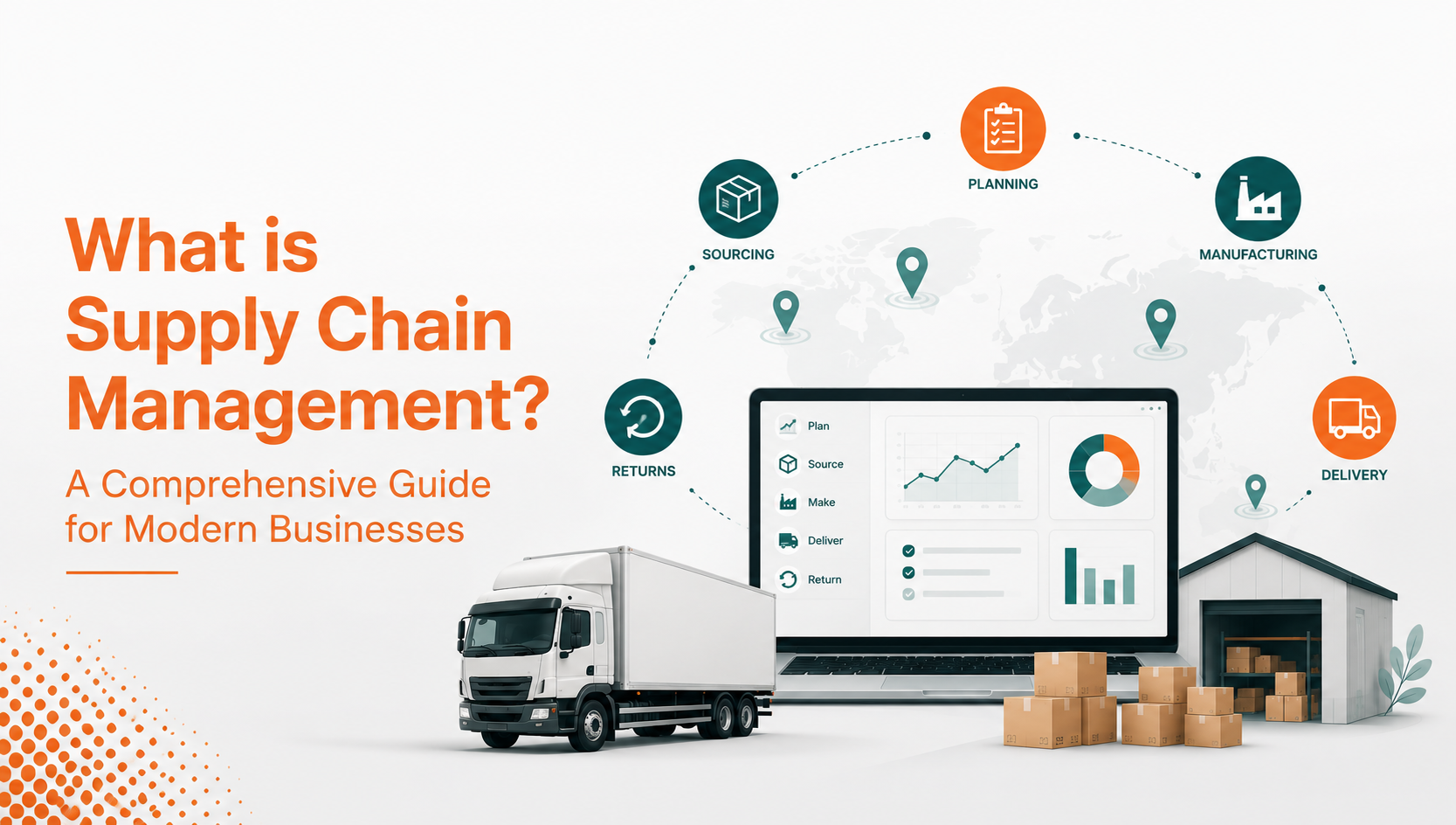
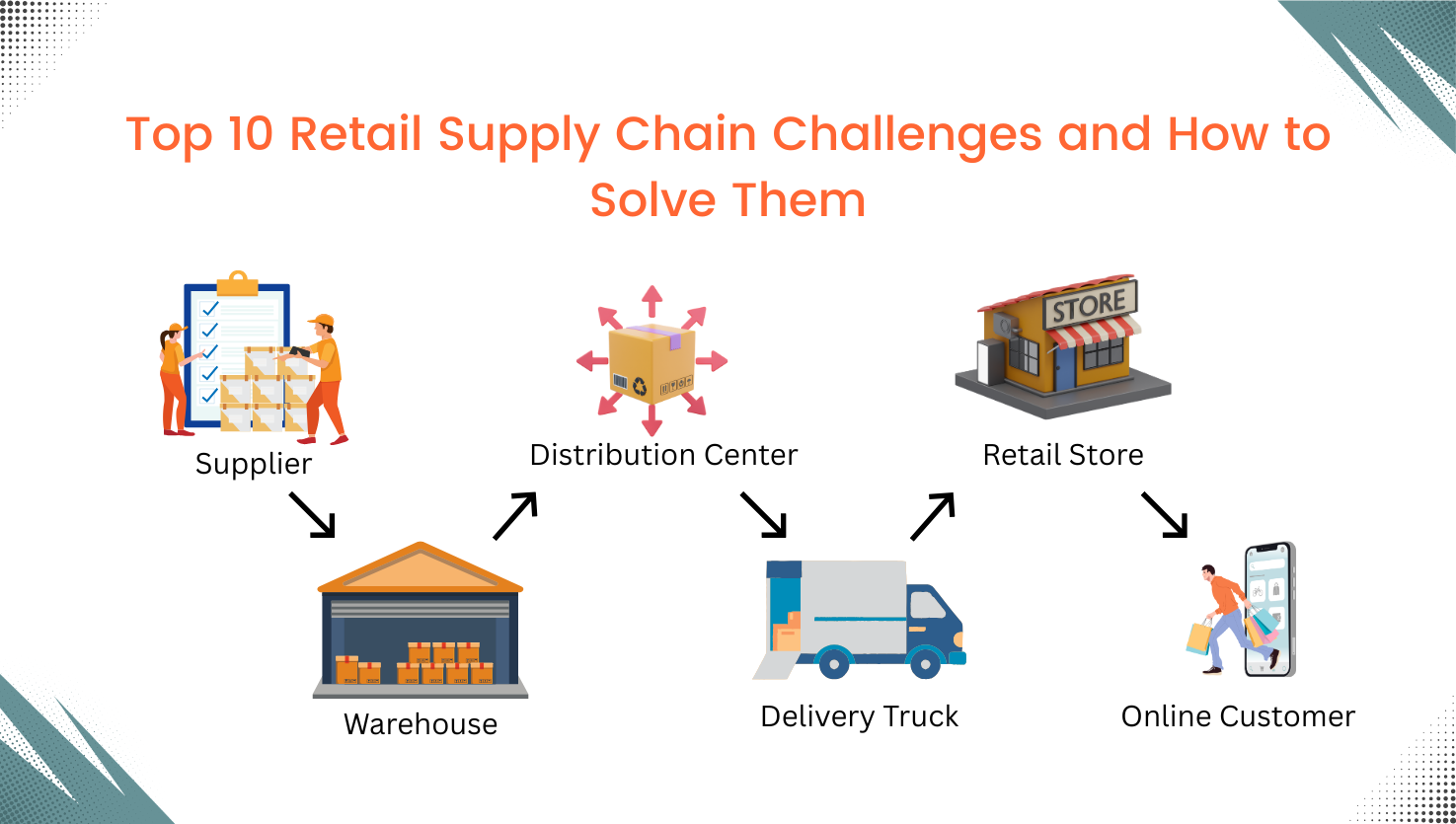
A retail supply chain typically includes sourcing products from suppliers, storing them in warehouses, transporting them to distribution centers, and delivering them to retail stores or directly to customers through online channels. Each step must function smoothly to ensure products are available when customers need them.
Efficient supply chain operations are essential for maintaining profitability and delivering consistent customer experiences. However, disruptions such as supplier delays, demand fluctuations, transportation issues, and global economic changes can significantly affect retail operations.
Recent global events have shown how fragile supply chains can be. According to research from McKinsey & Company, companies experience supply chain disruptions lasting a month or longer approximately every 3.7 years. This highlights the importance of building resilient supply chain strategies and adopting technology driven logistics systems.
To remain competitive, retailers must identify operational gaps early and adopt solutions that improve visibility, efficiency, and flexibility. This article explores ten major retail supply chain challenges and practical solutions retailers use to address them.
Demand Forecasting and Inventory Imbalance
Challenges
Inaccurate Demand Forecasting
Predicting consumer demand is one of the most difficult aspects of retail operations. Customer preferences often change due to seasonal trends, marketing campaigns, product launches, or external factors such as economic shifts.
When forecasting methods rely on incomplete or outdated data, retailers may struggle to predict demand accurately. This can disrupt purchasing decisions and inventory planning.
Overstocking and Stockouts
Inventory imbalance is a common issue in retail supply chains. Overstocking increases storage costs and locks capital in unsold products. On the other hand, stockouts lead to missed sales opportunities and dissatisfied customers who may purchase from competitors.
With omnichannel retail models, where inventory supports both online and offline sales channels, maintaining the right inventory levels becomes even more complex.
Solutions
Use AI Driven Demand Forecasting Tools
Modern forecasting systems use machine learning and predictive analytics to analyze historical sales data, customer buying patterns, and market trends. These technologies allow retailers to generate more accurate demand forecasts.
Retailers can also improve logistics visibility and decision making by adopting solutions that automate shipment management and centralize logistics data. Tools that support shipping automation in logistics help businesses streamline fulfillment processes while reducing manual errors.
Analyze Historical Sales and Seasonal Trends
Studying past sales patterns helps retailers anticipate demand spikes during holidays, promotional events, or seasonal sales. Historical insights allow supply chain teams to plan procurement and inventory levels more effectively.
Implement Real Time Inventory Tracking
Real time tracking systems allow retailers to monitor inventory movement across warehouses, distribution centers, and retail locations. Improved visibility enables faster responses to demand changes and prevents inventory shortages.
Supplier and Procurement Issues
Challenges
Supplier Delays and Unreliability
Retailers rely heavily on suppliers for product availability. When suppliers experience production delays, labor shortages, or logistics disruptions, retailers may face product shortages.
Even minor delays in procurement can disrupt store replenishment schedules and impact product availability for customers.
Limited Supplier Visibility
Many retailers do not have full visibility into supplier operations. Without accurate insights into production capacity, shipment schedules, or lead times, it becomes difficult to plan procurement cycles effectively.
Limited supplier transparency increases the risk of unexpected disruptions.
Solutions
Diversify Supplier Base
Retailers can reduce supply risks by sourcing products from multiple suppliers rather than relying on a single vendor. A diversified supplier network helps maintain supply continuity during disruptions.
Build Stronger Supplier Relationships
Maintaining strong partnerships with suppliers improves collaboration and communication. Retailers that work closely with suppliers can better coordinate production schedules and reduce procurement delays.
Use Integrated Supply Chain Systems
Integrated technology platforms allow retailers to connect suppliers, warehouses, and logistics providers through centralized systems. This improves coordination and provides better visibility across the procurement process.
Logistics and Transportation Disruptions
Challenges
Rising Transportation Costs
Transportation costs have increased significantly in recent years due to rising fuel prices, labor shortages, and growing demand for faster deliveries. For retailers, these increasing logistics expenses can reduce profit margins.
Managing transportation costs while maintaining delivery reliability remains a key operational challenge.
Delivery Delays and Shipping Disruptions
Shipping disruptions can occur due to weather conditions, port congestion, customs delays, or infrastructure issues. When deliveries are delayed, inventory replenishment schedules are affected and customer orders may arrive late.
Delivery delays can also lead to poor customer experiences and negative brand perception.
Solutions
Optimize Delivery Routes with Logistics Software
Route optimization technology helps logistics teams identify the most efficient shipping routes. This reduces transit times, lowers transportation costs, and improves delivery performance.
Retailers can also benefit from systems that automatically assign shipments to the best courier partner based on cost, location, and serviceability. Platforms that support smart routing and carrier allocation help businesses improve delivery reliability while optimizing logistics costs.
Partner with Reliable Logistics Providers
Retailers often collaborate with multiple courier partners to ensure consistent delivery coverage across regions. Multi carrier shipping systems allow businesses to choose the most suitable logistics partner for each shipment.
Use Regional Warehouses or Distribution Centers
Setting up regional distribution hubs allows retailers to move inventory closer to customers. This reduces shipping distances, improves delivery speed, and lowers transportation costs.
Technology Integration and Data Visibility
Challenges
Lack of Real Time Supply Chain Visibility
Retail supply chains involve several stakeholders including suppliers, warehouses, logistics providers, and retail stores. When information is fragmented across multiple systems, it becomes difficult to track shipments and inventory accurately.
Without real time visibility, supply chain teams may struggle to respond quickly to operational issues.
Difficulty Integrating Multiple Systems
Retailers often operate different software platforms such as ERP systems, warehouse management tools, and logistics platforms. Integrating these systems can be technically challenging.
Disconnected systems create data silos, making it harder for teams to share information and coordinate operations effectively.
Solutions
Implement Integrated Supply Chain Platforms
Integrated supply chain platforms connect multiple operational systems into a single ecosystem. This allows retailers to manage procurement, inventory, and logistics operations through one unified platform.
Solutions such as a transportation management system for logistics help retailers streamline shipping operations, monitor delivery performance, and manage transportation workflows efficiently.
Use Cloud Based Systems for Data Sharing
Cloud technology allows supply chain partners to share shipment updates, inventory data, and order information in real time. This improves coordination and enhances operational transparency.
Adopt Automation and Analytics Tools
Automation tools reduce manual processes across order management, shipment processing, and reporting. Advanced analytics platforms also help retailers identify inefficiencies and optimize supply chain performance.
Warehouse and Fulfillment Inefficiencies
Challenges
Inefficient Warehouse Operations
Warehouse operations play a crucial role in order fulfillment. Inefficient processes such as manual picking, poor storage layout, or inaccurate inventory tracking can slow down operations.
During peak demand periods, inefficient warehouse workflows may lead to shipment delays and operational backlogs.
Increasing Complexity of Omnichannel Fulfillment
Retailers today sell through multiple channels including physical stores, online marketplaces, and e-commerce websites. Managing inventory across these channels adds complexity to warehouse and fulfillment operations.
Retailers must ensure products are available across all sales channels without overselling or creating inventory shortages.
Solutions
Implement Warehouse Management Systems
Warehouse management systems automate inventory tracking, picking, and packing processes. These tools improve operational accuracy and increase fulfillment speed.
Use Distributed Fulfillment Networks
Retailers can reduce delivery times by distributing inventory across multiple warehouses or fulfillment centers. This allows businesses to ship orders from locations closest to customers.
Adopt Smart Inventory Allocation
Intelligent inventory allocation tools distribute stock based on customer location, demand patterns, and shipping costs. This helps retailers maintain balanced inventory levels while improving order fulfillment speed.
Retail Supply Chain Challenges & Solutions
| Category | Challenges | Solutions |
| Demand & Inventory | Inaccurate forecasts, overstock/stockouts | AI tools, historical analysis, real-time tracking |
| Supplier Issues | Delays, poor visibility | Diversify suppliers, strong relationships, integrated systems |
| Logistics Disruptions | Rising costs, delays | Route optimization, reliable partners, regional warehouses |
| Tech & Visibility | No real-time data, system silos | Integrated platforms, cloud sharing, automation |
| Warehouse Efficiency | Slow operations, omnichannel complexity | WMS, distributed networks, smart allocation |
Managing Customer Expectations and Future Proofing the Supply Chain
Retail supply chains continue to evolve as customer expectations increase. Modern consumers expect faster delivery options, flexible shipping methods, and seamless return processes.
Meeting these expectations while maintaining operational efficiency is one of the biggest retail supply chain challenges for businesses today.
Same day or next day delivery has become increasingly common, placing additional pressure on retailers to optimize fulfillment networks. At the same time, managing returns and reverse logistics adds another layer of operational complexity.
Retailers are increasingly adopting omnichannel fulfillment strategies that allow orders to be shipped from stores, warehouses, or distribution centers depending on product availability and proximity to the customer.
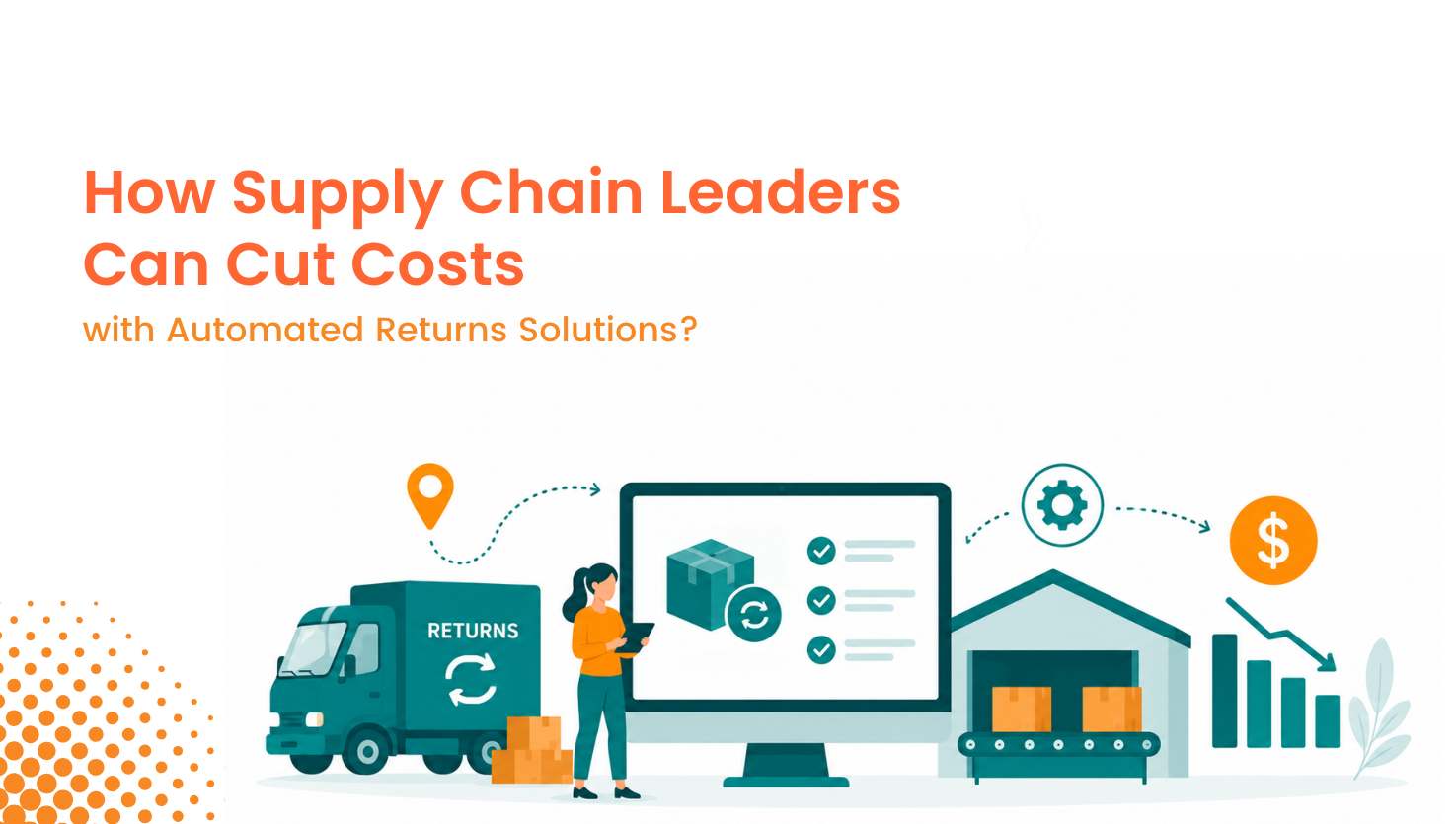
Improving reverse logistics systems is also essential for handling product returns efficiently. Automated return workflows and centralized return management processes help retailers streamline operations and improve customer satisfaction.
As supply chains grow more complex, businesses are investing in digital solutions that provide better visibility and automation across logistics operations. A unified logistics automation platform can help retailers manage shipments, monitor delivery performance, and streamline supply chain workflows from a single interface.
By addressing these retail supply chain challenges, retailers can build more resilient operations, improve supply chain efficiency, and deliver better customer experiences in an increasingly competitive retail environment.