



Dropshipping logistics is rapidly gaining traction, with the global market projected to grow at a CAGR of over 20% in the coming years, according to Statista. In India, the rise of D2C brands, online marketplaces, and mobile commerce is accelerating the adoption of this low-investment ecommerce model.
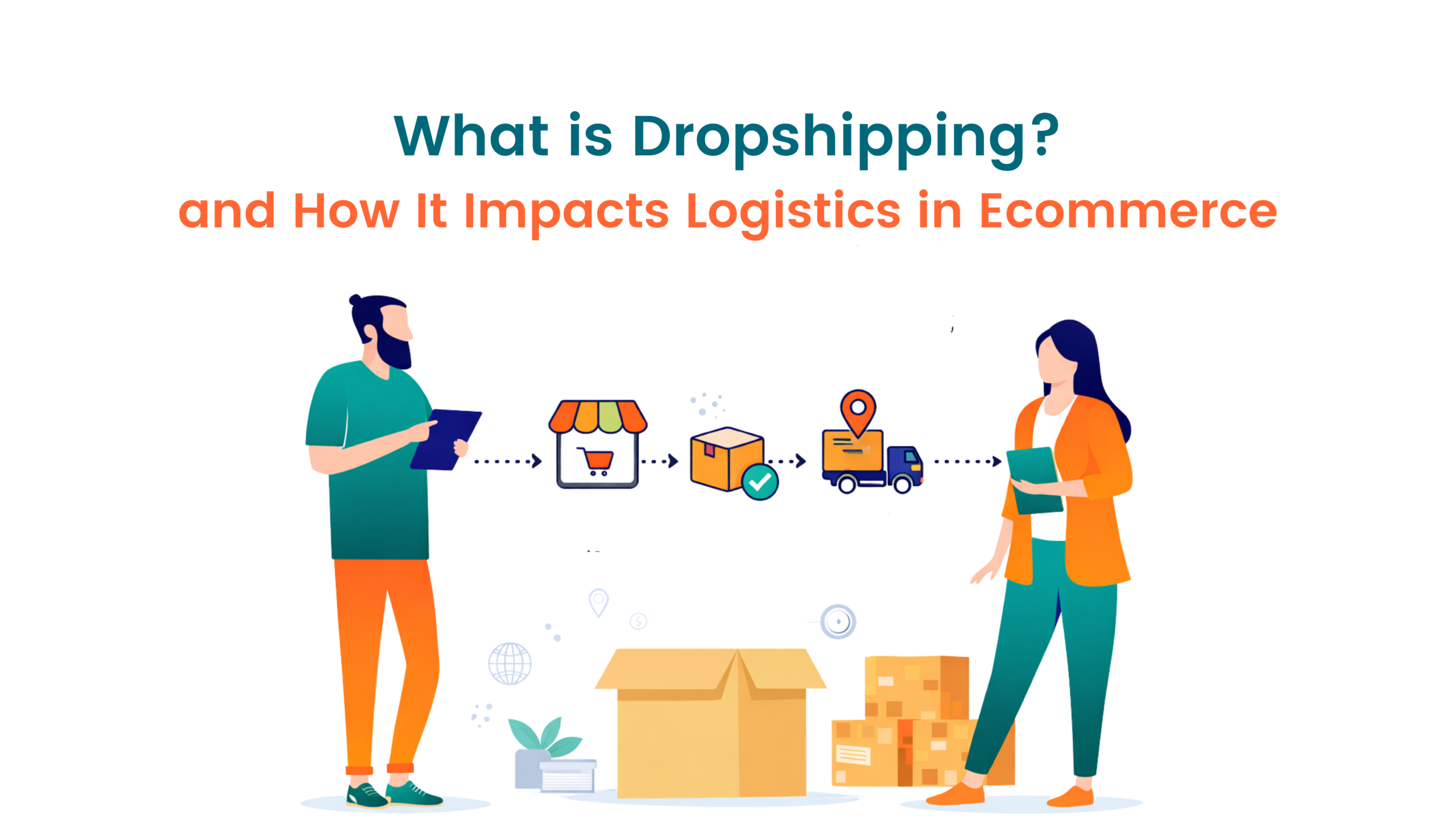
Dropshipping logistics refers to a fulfillment model where sellers don’t store inventory themselves. Instead, when a customer places an order, the product is shipped directly from a supplier or manufacturer to the customer, making logistics execution heavily dependent on third-party operations.
At first glance, dropshipping seems simple,no inventory, no warehousing, and minimal upfront costs. But in reality, it shifts complexity from storage to logistics execution.
With multiple suppliers, varying delivery timelines, and limited visibility, managing the post-purchase experience becomes the real challenge.
In this blog, we’ll break down how dropshipping logistics works, why it matters today, the key capabilities businesses need, and how to manage it effectively at scale.
Why Dropshipping Logistics is Critical for Ecommerce Growth in India
Dropshipping is gaining rapid traction in India as ecommerce businesses look for faster and more flexible ways to scale. By removing the need for inventory storage and warehousing, it allows brands to launch quickly, test new products, and expand into new markets with minimal upfront investment.
However, while the model simplifies the selling process, it significantly increases the complexity of ecommerce logistics, order fulfillment, and last-mile delivery.
This is because logistics in a dropshipping setup is no longer centralized. Instead, it is spread across multiple suppliers, locations, and shipping partners, making coordination more challenging.
Some of the key operational challenges include:
- Distributed fulfillment across multiple suppliers
Orders are processed from different locations, making standardization difficult - Inconsistent delivery timelines
Each supplier may follow different shipping processes, leading to delays and unpredictability - Limited visibility across shipments
Tracking becomes fragmented, especially when multiple courier partners are involved - Dependency on third-party logistics execution
The end-customer experience is influenced by partners you don’t directly control
In a diverse and fast-evolving market like India, these challenges are amplified. Customers today expect fast shipping, accurate delivery timelines, real-time tracking, and hassle-free returns, regardless of how the backend operations are structured. At the same time, increasing competition in ecommerce means that delivery experience has become a key differentiator, not just pricing or product variety.
In short, dropshipping may remove the burden of inventory, but it does not remove the responsibility of delivering a consistent and reliable customer experience.
Key Dropshipping Logistics Features for Efficient Order Fulfillment & Shipping
To make dropshipping truly scalable, it’s not just about having suppliers in place, it’s about how well your logistics, order fulfillment, and shipping operations are managed behind the scenes.
Since the entire model depends on third-party execution, businesses need a system that brings structure, automation, and visibility into what is otherwise a fragmented process. Here are some of the key capabilities that can make a real difference:
- Multi-carrier integration
When you’re shipping across different regions in India, relying on a single courier isn’t enough. Access to multiple courier partners allows you to choose the best option based on cost, delivery speed, and serviceability, ensuring better coverage and efficiency. - Order automation
Manually processing every order can quickly become overwhelming as volumes grow. Automating order sync, label generation, and courier allocation helps reduce errors and keeps operations running smoothly without constant intervention. - Real-time tracking and shipment visibility
One of the biggest gaps in dropshipping is visibility. Having a centralized dashboard where you can track all shipments, across suppliers and carriers, helps you stay informed and respond quickly to delays or issues. - Customer communication and post-purchase updates
Customers today expect to be informed at every step. Automated updates through SMS, WhatsApp, or email not only reduce “Where is my order?” queries but also build trust and transparency. - NDR & RTO management
Failed deliveries are a common challenge, especially in India. A system that helps identify non-delivery reports (NDRs), trigger reattempts, and take corrective actions can significantly reduce return-to-origin (RTO) losses. - Returns and reverse logistics
Even in a dropshipping model, returns are inevitable. Simplifying the return process, right from pickup to tracking, ensures a smoother experience for both businesses and customers.
At its core, dropshipping may look simple, but without the right logistics capabilities, it can quickly become difficult to manage. These features help bring consistency, control, and visibility into a model that is otherwise distributed and unpredictable.
Dropshipping vs Traditional Ecommerce Logistics: Key Differences in Fulfillment & Scalability
As ecommerce continues to evolve, businesses are increasingly choosing between traditional logistics models and dropshipping fulfillment based on cost, flexibility, and speed to market. While both approaches serve the same end goal, delivering products to customers, the way they operate behind the scenes is very different.
Understanding these differences is important, especially for brands looking to scale efficiently without compromising on delivery experience.
|
Aspect |
Traditional Ecommerce |
Dropshipping |
| Inventory | Seller-managed | Supplier-managed |
| Fulfillment | Centralized | Distributed |
| Control | High | Limited |
| Setup Cost | High | Low |
| Delivery Consistency | Stable | Variable |
| Scalability | Moderate | High |
In a traditional ecommerce setup, businesses have greater control over inventory, packaging, and shipping timelines, which often leads to more consistent delivery experiences. However, this comes with higher operational costs and slower scalability.
On the other hand, dropshipping offers flexibility and faster expansion, but shifts the complexity to logistics coordination, supplier dependency, and last-mile delivery management. Ultimately, while dropshipping enables quicker growth, success depends on how well businesses manage the logistics layer to ensure consistency, visibility, and customer satisfaction.
Dropshipping Logistics Trends in India: Market Growth, Data & Insights
The rise of dropshipping reflects a broader transformation in ecommerce logistics and fulfillment in India, driven by rapid digital adoption and changing consumer expectations. India’s ecommerce market is growing at a strong pace, supported by increasing internet penetration and digital payments, while the global dropshipping market itself is expected to grow at over 20% CAGR, according to Statista. At the same time, businesses are increasingly adopting logistics and shipping automation platforms reviewed on G2 to improve operational visibility and efficiency. Adding to this momentum, initiatives like the National Logistics Policy India are focused on reducing logistics costs and strengthening infrastructure across the country.
What this means for businesses:
- Logistics is becoming technology-driven rather than infrastructure-heavy
- Businesses are shifting toward flexible and scalable fulfillment models like dropshipping
- Customer experience is now defined by post-purchase communication and delivery reliability
The focus is no longer just on selling, it’s on delivering a consistent and reliable experience at scale.
Bringing Control to Dropshipping Logistics: Simplifying Shipping Without Inventory
One of the biggest challenges in dropshipping isn’t selling, it’s managing everything that happens after the order is placed. With multiple suppliers handling fulfillment and different courier partners involved, logistics can quickly become scattered and difficult to track.
Over time, this lack of coordination can lead to delayed deliveries, poor visibility, and inconsistent customer experiences.
This is where logistics automation platforms like eShipz quietly make a difference. Instead of changing how dropshipping works, they help bring everything together into one connected system, making operations easier to manage and far more predictable.
Rather than relying on each supplier’s individual shipping process, businesses can create a single, unified logistics layer that keeps everything aligned.
What helps make dropshipping logistics more manageable:
- Multi-carrier shipping integration
Instead of depending on one courier, you can automatically choose the most efficient option for each order based on location, cost, and delivery timelines. - Automated order processing
From order sync to label generation and dispatch, automation removes repetitive manual work and reduces the chances of errors. - Centralized tracking and visibility
Having all shipments visible in one place makes it easier to monitor progress, identify delays, and stay in control. - NDR & RTO management workflows
Failed deliveries are inevitable, but handling them quickly can make a big difference. Structured workflows help reduce return-to-origin losses. - Returns and reverse logistics support
Even in dropshipping, returns need to be smooth. A simplified process ensures better coordination between suppliers and customers. - Customer communication automation
Keeping customers informed through timely updates builds trust and reduces uncertainty around deliveries.
At its core, dropshipping doesn’t need to feel chaotic. With the right systems in place, even a distributed model can run smoothly. The goal is simple: even if fulfillment happens across multiple partners, the customer experience should always feel consistent and reliable.
Building a Reliable Dropshipping Experience That Scales
Dropshipping has made ecommerce more accessible than ever. But as competition continues to grow, success depends not just on what you sell, but on how consistently and reliably you deliver.
Without the right logistics setup, challenges like delayed shipments, poor tracking visibility, and failed deliveries can quickly impact customer trust and overall brand perception. What often looks like a simple model on the surface can become difficult to manage without the right systems supporting it.
The businesses that stand out are the ones that bring clarity into their operations, ensuring better visibility, smoother processes, and a more dependable customer experience from order to delivery. Because at the end of the day, customers don’t see your suppliers, they only experience your brand.
Dropshipping may reduce the burden of inventory, but it raises expectations around execution. The real advantage lies in building a logistics setup that can keep up with scale while maintaining consistency.
If you’re looking to make your dropshipping operations more structured and reliable, the next step is to rethink how your logistics is managed behind the scenes.