





Shipping software is a technology platform that helps businesses manage, automate, and optimize their shipping operations. It connects orders, warehouses, courier partners, and customers in a single workflow, enabling businesses to handle carrier allocation, shipment tracking, delivery updates, returns, and logistics visibility.
What started as a simple tool for generating shipping labels has evolved into an important part of modern commerce. Ecommerce continues to grow rapidly, with global online retail sales projected to cross $6.3 trillion by 2027, driven by increasing digital adoption and cross-border trade. At the same time, customer expectations have shifted significantly, studies show that over 80% of shoppers expect real-time order tracking and fast delivery updates, putting pressure on businesses to improve logistics performance. As a result, companies are now managing higher shipment volumes, multiple courier partners, and rising expectations around faster deliveries, real-time updates, and seamless returns.
As logistics operations become more complex, businesses need technology that can scale with their growth. The right shipping software helps reduce manual effort, improve delivery performance, optimize carrier operations, and create a smoother customer experience. However, selecting the right platform requires more than comparing features or pricing, it requires understanding how well the solution supports long-term business goals.
In this guide, we’ll explore the key factors businesses should consider when evaluating shipping software in 2026, helping decision-makers choose a platform that supports both current operations and future logistics needs.
Why Shipping Software Has Become a Strategic Business Decision
For many years, logistics technology was viewed primarily as a back-office function.
Today, that perspective has changed.
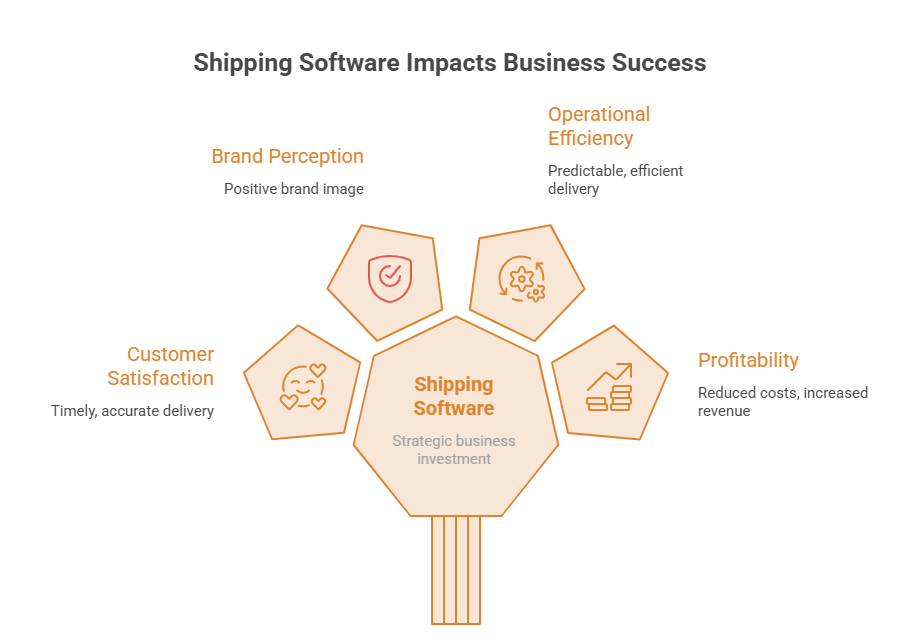
The shipping experience directly affects customer satisfaction, brand perception, operational efficiency, and profitability.
Consider what happens after a customer places an order.
They expect timely updates, accurate delivery timelines, real-time tracking, and a smooth delivery experience. If something goes wrong, they expect proactive communication and quick resolution.
Every one of these interactions is influenced by the shipping technology operating behind the scenes.
Poor technology decisions often result in:
- Higher shipping costs
- Increased delivery failures
- More customer support tickets
- Limited operational visibility
- Slower issue resolution
- Reduced customer retention
In contrast, the right platform helps businesses create a more predictable, efficient, and customer-centric delivery operation.
This is why shipping software should be evaluated as a strategic investment rather than an operational expense.
What to Consider Before Investing in Shipping Software
One of the biggest mistakes companies make is evaluating software before defining their objectives.
Features only matter when they solve a specific business problem.
Before speaking with vendors, decision-makers should clearly understand what they want to achieve.
For example:
- Are shipping costs increasing?
- Are delivery failures affecting customer experience?
- Is manual effort slowing operations?
- Is carrier performance inconsistent?
- Is business growth creating scalability concerns?
The answers to these questions will help determine which capabilities deserve the most attention during evaluation.
A fast-growing ecommerce business may prioritize automation and scalability.
A retailer expanding into new regions may focus on carrier flexibility and visibility.
A marketplace handling high shipment volumes may place greater emphasis on analytics and operational control.
Understanding these priorities creates a stronger foundation for evaluating potential solutions.
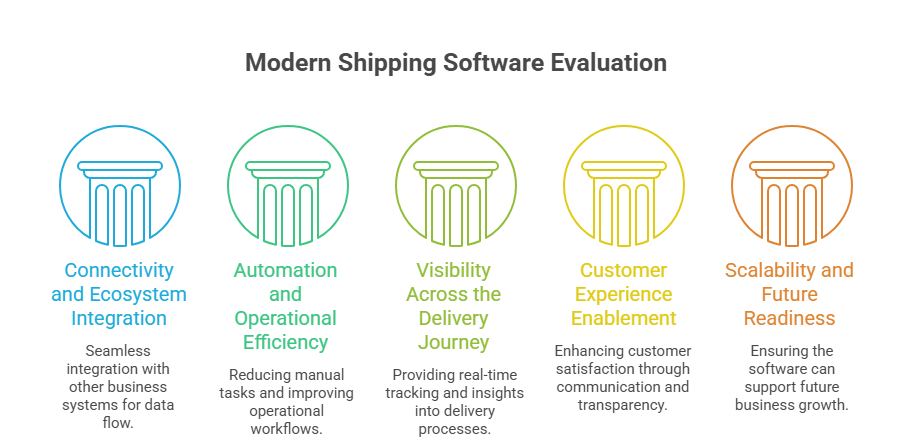
The Five Pillars of Modern Shipping Software Evaluation
Rather than comparing dozens of isolated features, organizations should evaluate platforms across five critical pillars.
Pillar 1: Connectivity and Ecosystem Integration
Shipping software rarely operates in isolation.
It typically connects with:
- Ecommerce platforms
- ERP systems
- Order management systems
- Warehouse management solutions
- Customer support platforms
- Courier networks
The quality of these integrations often determines how effectively data flows across the business.
Poor integrations create manual work, duplicate processes, and visibility gaps.
Strong integrations create operational efficiency.
When evaluating a platform, ask:
- How many integrations are available?
- Are APIs well documented?
- Can integrations be customized?
- How frequently are integrations updated?
A platform with a strong integration ecosystem is generally better positioned to support long-term growth.
Pillar 2: Automation and Operational Efficiency
As order volumes increase, manual processes become difficult to sustain.
Tasks that may be manageable at 500 shipments per day can quickly become overwhelming at 10,000 shipments per day.
Modern shipping software should reduce operational workload through automation.
Examples include:
- Automatic carrier allocation
- Label generation
- Manifest creation
- Shipment status updates
- Delivery exception workflows
- Customer notifications
However, automation should go beyond repetitive tasks.
The most advanced platforms increasingly support intelligent decision-making through rules, predictive models, and AI-powered recommendations.
Businesses evaluating software should focus on how effectively a platform reduces operational complexity.
Pillar 3: Visibility Across the Delivery Journey
Visibility has become one of the most important logistics capabilities.
Customers want transparency.
Operations teams need control.
Leadership requires performance insights.
A strong platform should provide visibility across every stage of the delivery lifecycle.
This includes:
- Shipment tracking
- Carrier performance
- Delivery milestones
- Delivery exceptions
- Return status updates
Visibility should not be limited to customer-facing tracking pages.
It should also help internal teams identify risks, monitor performance, and make informed decisions.
The best logistics teams use visibility not only to understand what has happened but also to predict what might happen next.
Pillar 4: Customer Experience Enablement
Customer expectations continue to rise.
Fast deliveries are important, but communication and transparency have become equally valuable.
Many businesses underestimate the role shipping software plays in shaping customer experience.
The right platform can support:
- Branded tracking pages
- Delivery notifications
- Estimated delivery dates
- Delivery feedback collection
- Self-service shipment tracking
These capabilities reduce customer anxiety and improve trust throughout the post-purchase journey.
When evaluating software, organizations should consider how effectively the platform supports customer engagement after checkout.
Pillar 5: Scalability and Future Readiness
The most overlooked evaluation criterion is often scalability.
Businesses frequently select software based on current needs rather than future requirements.
This approach can create problems later.
A platform that works effectively today may struggle to support:
- Higher shipment volumes
- Additional warehouses
- New markets
- International expansion
- Larger carrier networks
Decision-makers should evaluate how well the platform supports future growth.
Questions to ask include:
- What shipment volumes can the platform handle?
- How does pricing scale?
- Can additional carriers be added easily?
- Does the platform support global operations?
Future readiness should be a central part of every evaluation process.
A Practical Shipping Software Evaluation Scorecard
The following framework can help organizations compare vendors objectively.
Each vendor can be scored across these categories to create a more structured decision-making process.
|
Evaluation Area |
Weightage |
|
Integration Capabilities |
15% |
| Automation |
20% |
|
Carrier Management |
15% |
| Visibility & Tracking |
15% |
|
Customer Experience |
10% |
| Delivery Exception Management |
10% |
|
Analytics & Reporting |
10% |
| Scalability |
5% |
Questions Every Vendor Should Be Able to Answer
A product demo only shows part of the picture. To make the right decision, businesses should ask deeper questions around implementation, scalability, support, and long-term value.
Before investing in shipping software, decision-makers should evaluate whether the platform can meet current needs while adapting to future growth.
Implementation
- How long does deployment typically take?
- What resources are required?
- What support is available during onboarding?
Reliability
- What uptime guarantees are provided?
- How are system disruptions managed?
Innovation
- How frequently are new features released?
- What emerging technologies are being adopted?
Security
- How is customer data protected?
- Which compliance standards are supported?
Scalability
- What is the largest shipment volume currently supported?
- How does the platform perform during peak seasons?
Vendor responses often reveal more than feature lists.
Common Red Flags During Evaluation
Choosing the right shipping software requires looking beyond product demos and feature lists. While many platforms may appear similar at first, deeper evaluation often reveals important differences in flexibility, reliability, and long-term value.
Before making a decision, businesses should identify potential gaps that could create challenges after implementation.
Overemphasis on Features
If discussions focus entirely on features without connecting them to business outcomes, caution is warranted.
Lack of Customer References
Strong vendors should be able to provide relevant customer success stories.
Limited Reporting Capabilities
Without actionable insights, operational improvements become difficult.
Rigid Workflows
Businesses evolve over time.
Software should adapt alongside changing requirements.
Unclear Pricing Models
Unexpected costs can significantly affect long-term ROI.
Evaluating shipping software is not only about finding a platform with the right features, it is about choosing a technology partner that can support your logistics journey. Identifying these warning signs early helps businesses avoid future challenges and select a solution that delivers long-term operational value.
Emerging Trends Influencing Shipping Software in 2026
The logistics industry is entering a new phase where technology is no longer limited to basic shipment processing or tracking. As customer expectations increase and supply chains become more complex, businesses are looking for shipping software that can provide greater automation, visibility, and decision-making support.
In 2026, the focus is shifting from simply managing deliveries to building smarter, more connected logistics operations. Emerging technologies such as artificial intelligence, predictive analytics, automation, and real-time data intelligence are changing how businesses plan, execute, and improve their shipping processes.
These advancements are influencing how companies evaluate logistics technology and what they expect from modern shipping platforms.
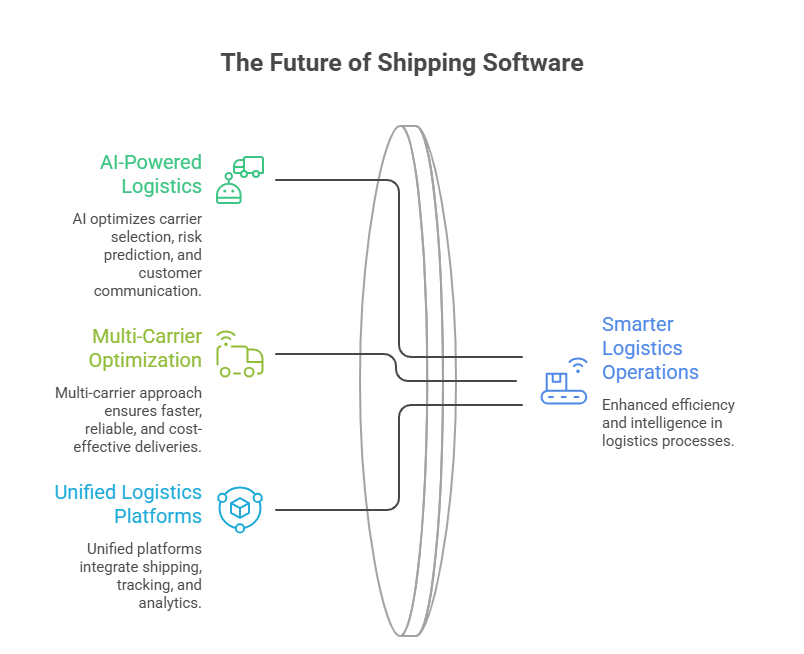
AI-Powered Logistics
Artificial intelligence is becoming an important capability in modern shipping operations. Instead of relying only on manual decisions, businesses are using AI-driven insights to improve accuracy, speed, and operational control.
AI is increasingly being applied across areas such as:
- Smarter carrier allocation: Helping businesses select the right carrier based on factors like delivery location, cost, performance history, and service levels.
- Delivery risk prediction: Identifying potential delays or delivery issues early so teams can take preventive action.
- Estimated delivery accuracy: Improving delivery predictions by analyzing shipment patterns, carrier performance, and real-time logistics data.
- Exception management: Helping teams identify and resolve delivery challenges faster with proactive alerts and workflows.
- Customer communication: Supporting automated and timely updates that keep customers informed throughout the shipment journey.
For businesses managing large shipment volumes, AI-powered capabilities can reduce operational complexity and enable more proactive logistics management.
Multi-Carrier Optimization
As customer expectations for faster and more reliable deliveries continue to increase, businesses are moving away from depending on a single logistics partner.
A multi-carrier approach allows organizations to choose the best shipping option based on location, delivery timelines, cost, and carrier performance.
Modern shipping platforms help businesses manage multiple courier networks by enabling:
- Automated carrier selection
- Performance-based routing
- Better shipping cost control
- Wider delivery coverage
- Reduced dependency on individual carriers
This flexibility helps businesses create a more resilient shipping operation that can adapt to changing requirements.
Unified Logistics Platforms
With growing operational complexity, businesses are moving toward unified logistics platforms that bring multiple processes together in one place.
Instead of managing separate systems for shipping, tracking, returns, analytics, and customer updates, organizations are looking for connected solutions that provide a complete view of their logistics operations.
A unified platform helps teams:
- Manage shipments from a single interface
- Monitor delivery performance
- Improve customer visibility
- Analyze logistics trends
- Optimize workflows
For modern businesses, shipping software is becoming more than a delivery tool. It is becoming a central layer that connects logistics operations, technology systems, and customer experience.
As logistics continues to evolve, businesses need to look beyond today’s operational requirements and prepare for future challenges. The next generation of shipping software will not only help organizations move orders faster but also enable smarter decisions, improve customer experiences, and create more resilient supply chains.
Companies that evaluate technology based on adaptability, intelligence, and scalability will be better positioned to handle changing market demands. The future of logistics will belong to businesses that combine the right technology with a clear understanding of their operational goals.

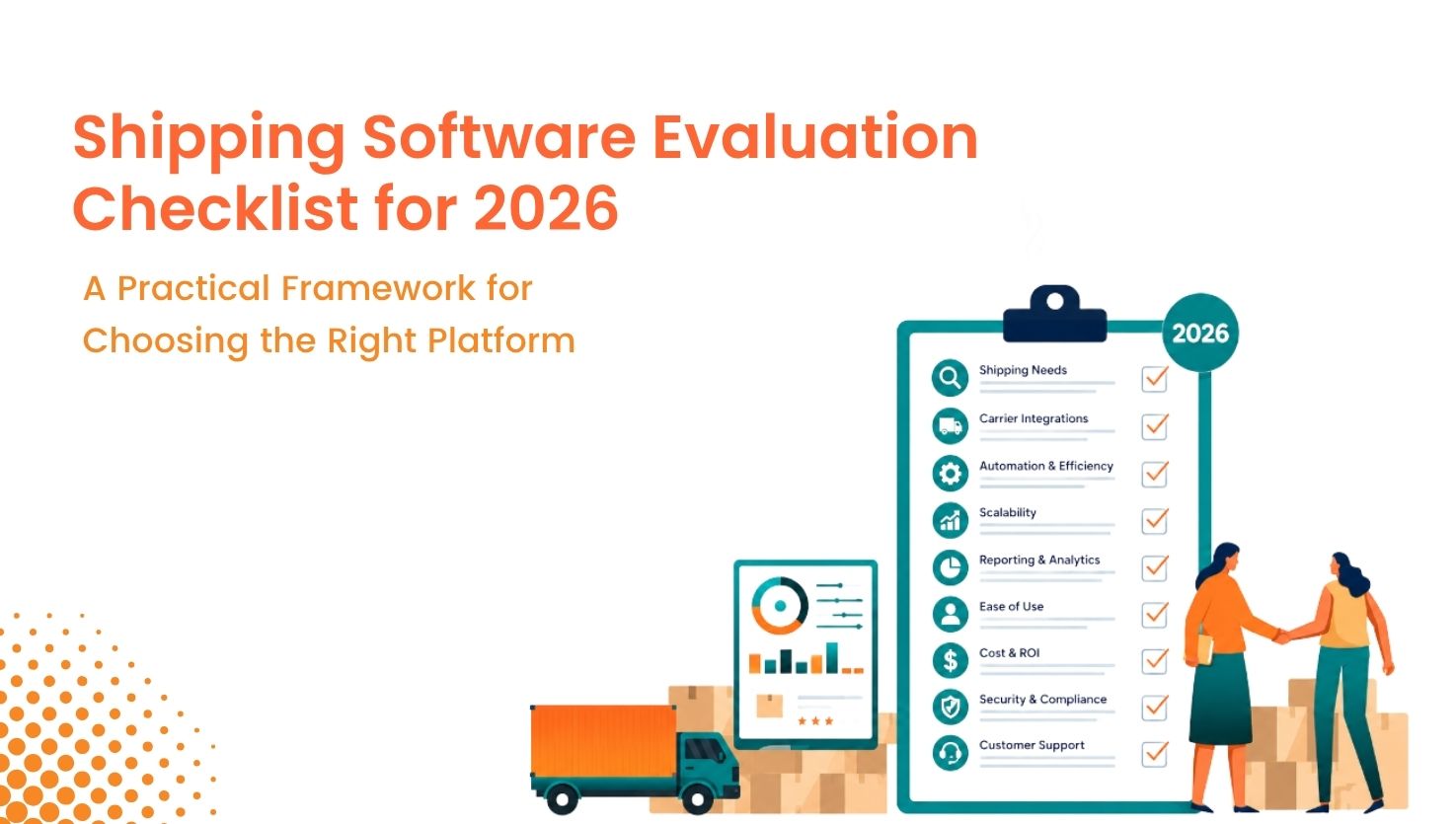
Shipping Software Evaluation Checklist
Selecting the right shipping software requires more than comparing features or reviewing product demonstrations. A platform should align with your operational needs, support business growth, and solve the challenges your logistics team faces every day.
Before making a final decision, evaluate whether the solution can deliver the right balance of automation, visibility, flexibility, and scalability. The following checklist covers the key areas businesses should review to determine whether a shipping platform is ready to support their current operations and future growth.
Before investing, ensure the platform can answer “yes” to most of the following:
✓ Supports multiple carriers
✓ Integrates with existing systems
✓ Automates key shipping workflows
✓ Provides real-time tracking
✓ Supports delivery exception management
✓ Offers return management capabilities
✓ Includes advanced analytics
✓ Supports future growth
✓ Provides reliable customer support
✓ Enables customer communication
✓ Delivers strong operational visibility
✓ Offers flexible configuration options
Wrapping Up: Choosing the Right Shipping Software
Selecting shipping software is no longer just a technology decision. It is a business decision that influences operational efficiency, customer satisfaction, delivery performance, and long-term growth.
The most successful organizations avoid evaluating platforms solely on feature lists. Instead, they focus on the broader capabilities that drive business outcomes: automation, visibility, scalability, customer experience, and operational intelligence.
As logistics networks become more complex and customer expectations continue to evolve, businesses that invest time in a structured evaluation process will be better positioned to build resilient and future-ready delivery operations.
The best shipping software is not necessarily the one with the most features. It is the one that continues creating value as your business grows, adapts, and scales in an increasingly competitive logistics environment.