





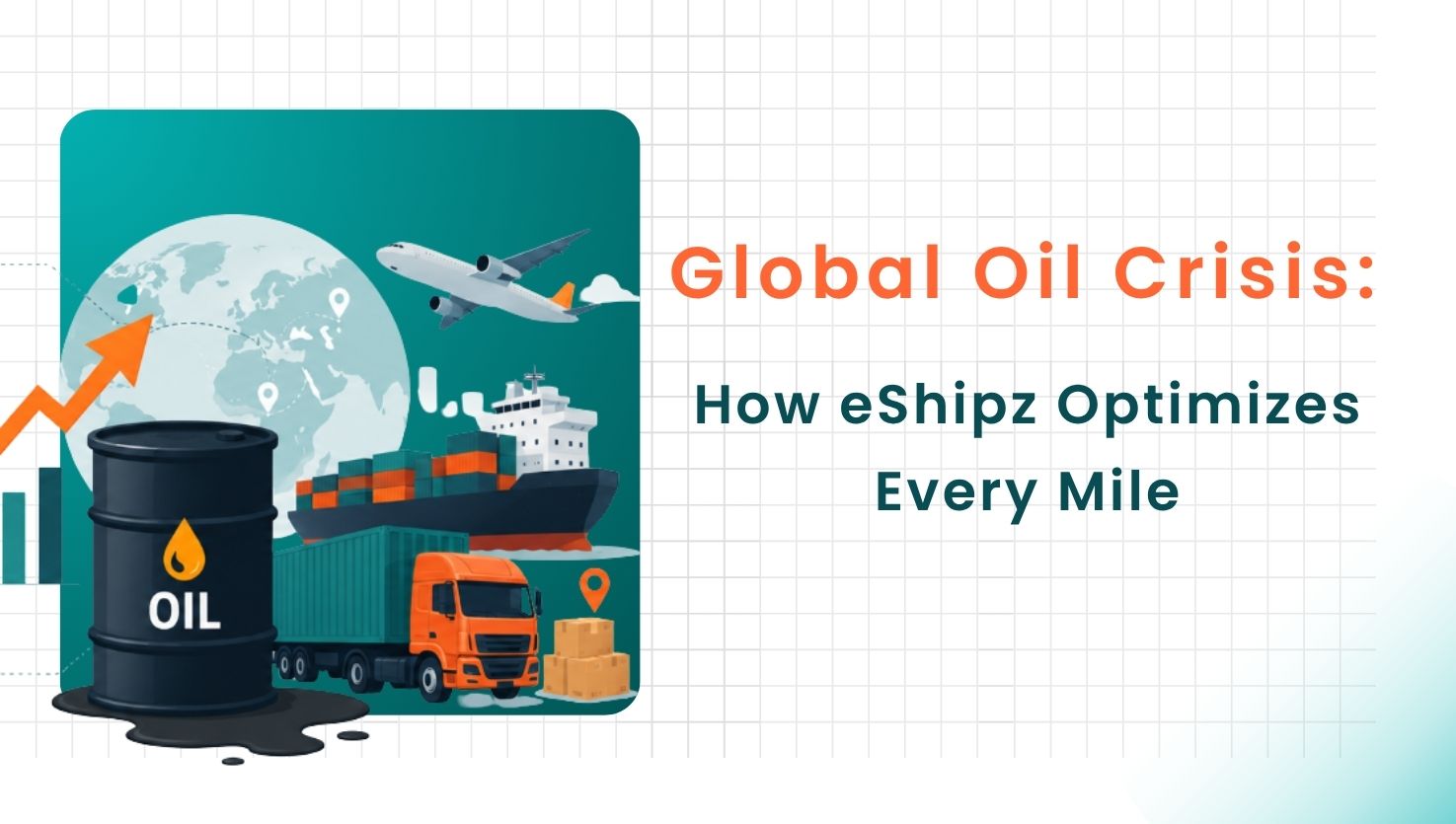
Global oil crisis refers to the sudden rise and instability in crude oil prices caused by supply disruptions, geopolitical tensions, and changing global demand. Since fuel is one of the biggest expenses in transportation, the impact is directly affecting logistics operations worldwide. Ecommerce brands and delivery companies are now facing higher shipping costs, fuel surcharges, and increasing pressure on operational margins.
According to the International Energy Agency (IEA), fuel and transportation account for nearly 30% to 40% of total logistics operating costs globally. In India’s ecommerce sector, where millions of shipments move every day, even a small rise in diesel prices can significantly increase delivery expenses, especially across last-mile and intercity operations. With fuel prices fluctuating frequently, logistics teams are now under growing pressure to optimize shipping costs while maintaining delivery speed and customer experience.
To manage these challenges, businesses are focusing on smarter logistics operations through route optimization, automated courier allocation, and real-time shipment visibility. In this blog, we will explore how the global oil crisis is affecting logistics operations and how businesses can reduce delivery inefficiencies through smarter shipping strategies.
Why the Global Oil Crisis Matters More Than Ever
The logistics industry depends heavily on fuel stability, which means even small increases in oil prices can quickly raise transportation costs. The global oil crisis is creating serious operational pressure for businesses, especially in ecommerce and supply chain operations.
Some of the biggest challenges businesses are facing include:
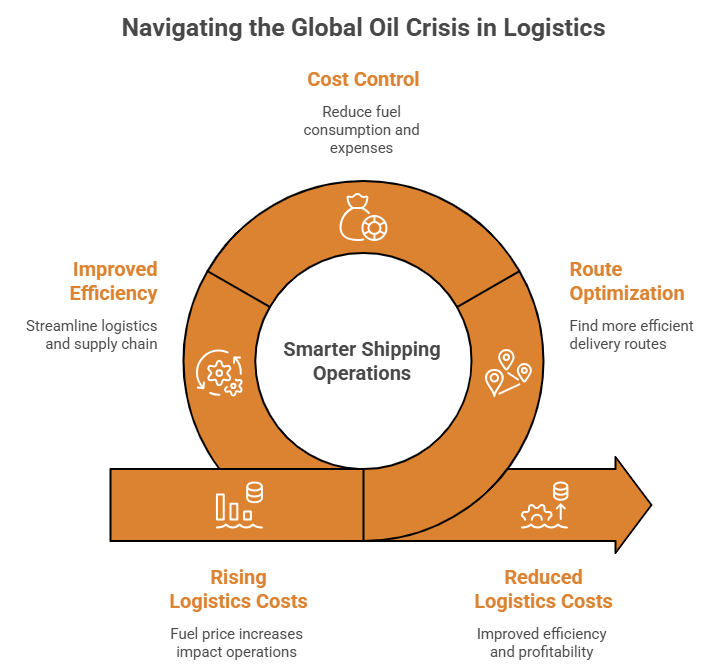
- Higher last-mile delivery expenses
- Increased courier fuel surcharges
- Expensive intercity transportation
- Rising reverse logistics costs
- Delivery delays caused by inefficient routes
- Reduced profit margins on ecommerce orders
Fuel remains one of the largest operational expenses in the global logistics and transportation industry. At the same time, customer expectations for faster deliveries and smooth tracking experiences continue to grow, making operational efficiency more important than ever.
The global oil crisis is now pushing logistics teams to focus on smarter shipping operations, route optimization, and cost control instead of simply increasing delivery capacity.
How Rising Fuel Costs Are Increasing Ecommerce Logistics Challenges
The global oil crisis is creating serious operational pressure across the ecommerce and logistics industry. As fuel prices continue rising, businesses are not only dealing with higher transportation expenses but also struggling to maintain delivery speed, operational efficiency, and customer experience. For ecommerce brands managing large shipment volumes every day, even small increases in fuel costs can significantly affect profitability.
From last-mile delivery to reverse logistics operations, the impact of rising fuel prices is now visible across every stage of the shipping journey. Businesses that once focused mainly on scaling deliveries are now being forced to rethink how efficiently their logistics operations actually function.
Higher Delivery Costs Across Regions: Courier companies are frequently revising shipping charges because of increasing fuel prices. This directly affects forward shipping rates, cash-on-delivery handling, same-day deliveries, long-distance transportation, and return shipment costs. For ecommerce businesses operating at scale, these increasing expenses are becoming harder to absorb.
Growing Pressure on Tier-2 and Tier-3 Deliveries: Businesses delivering across Tier-2 and Tier-3 cities are facing additional operational challenges because transportation routes are longer and delivery networks are more complex. Maintaining cost-efficient and timely deliveries in these regions is becoming increasingly difficult during the global oil crisis.
Increasing RTO and Reverse Logistics Expenses: Failed deliveries and return-to-origin (RTO) shipments are becoming significantly more expensive as fuel prices rise. Every failed order creates double transportation movement, one forward shipment and one reverse shipment. For ecommerce brands handling thousands of monthly orders, repeated delivery failures can heavily impact operational margins.
Delivery Delays and Route Inefficiencies: Rising fuel costs are also affecting route planning and shipment timelines. Courier partners often optimize transportation routes differently to manage operational expenses, which can sometimes increase delivery delays. Without proper shipment visibility, businesses may struggle to identify these issues before customer complaints begin increasing.
Manual Courier Allocation Increases Operational Costs: Many operations teams still assign courier partners manually without evaluating delivery success rates, shipping cost efficiency, regional performance, service availability, or transit timelines. This often leads to businesses paying higher shipping costs for routes that could have been optimized more effectively.
Limited Shipment Visibility Creates Operational Gaps: Without centralized tracking systems, businesses struggle to identify delayed shipments, high-RTO zones, repeated delivery failures, and non-performing courier partners. When visibility is limited, operational problems are usually discovered too late, leading to higher transportation costs and poor customer experience.
Smarter Logistics Operations Are Becoming Essential: Businesses globally are investing more in supply chain visibility and logistics optimization technologies to improve efficiency during ongoing transportation and economic disruptions. The global oil crisis is pushing ecommerce brands to focus more on route optimization, automated courier allocation, and smarter shipping operations to reduce unnecessary logistics expenses.
As fuel prices continue fluctuating, businesses can no longer rely on traditional shipping workflows alone. Operational efficiency, shipment visibility, and intelligent logistics automation are becoming essential for controlling costs and maintaining delivery performance. The businesses that adapt faster through smarter logistics strategies will be better prepared to manage the long-term impact of the global oil crisis.

How eShipz Helps Reduce Logistics Costs During the Global Oil Crisis
The global oil crisis is increasing fuel expenses, courier surcharges, and delivery costs across ecommerce logistics. While businesses cannot control fuel prices, they can reduce unnecessary operational spending through smarter shipping decisions and better logistics visibility. This is where eShipz helps businesses optimize delivery operations and improve cost efficiency.
Intelligent Courier Allocation
Manual courier selection often increases shipping costs during fuel price fluctuations. eShipz helps businesses automate courier allocation by analyzing delivery performance, shipping cost efficiency, serviceability coverage, and regional courier strength before assigning shipments.
Key capabilities:
- Automated courier allocation
- Multi-carrier integrations
- Delivery performance analytics
This helps businesses choose the most cost-efficient courier partner for every shipment while improving delivery success rates.
Real-Time Shipment Visibility
Limited shipment visibility can lead to delayed deliveries, customer escalations, and operational inefficiencies. eShipz provides centralized tracking and real-time monitoring to help businesses identify shipment delays, high-cost delivery routes, and non-performing courier partners early.
Key capabilities:
- Real-time shipment visibility
- Delivery tracking automation
- Shipment performance monitoring
With better visibility, businesses can respond faster to operational issues and improve delivery efficiency during the global oil crisis.
Better NDR and RTO Management
Failed deliveries and RTO shipments significantly increase transportation expenses because every failed order creates additional movement costs. eShipz helps businesses reduce failed deliveries through smarter NDR workflows and proactive delivery management.
Key capabilities:
- NDR management workflows
- Return reduction tools
- Delivery exception management
NDR management workflows
This helps businesses reduce reverse logistics costs, improve delivery success rates, and control unnecessary transportation expenses.
As fuel prices continue rising, businesses are shifting toward smarter logistics operations focused on automation, operational visibility, and cost optimization instead of simply increasing shipping capacity.
Emerging Logistics Trends During the Global Oil Crisis
The global oil crisis is not only increasing transportation costs but also changing how ecommerce and logistics businesses manage deliveries. To maintain profitability and improve operational efficiency, brands are now focusing more on automation, visibility, and cost optimization across the supply chain.
Some of the biggest logistics trends shaping the industry today include:
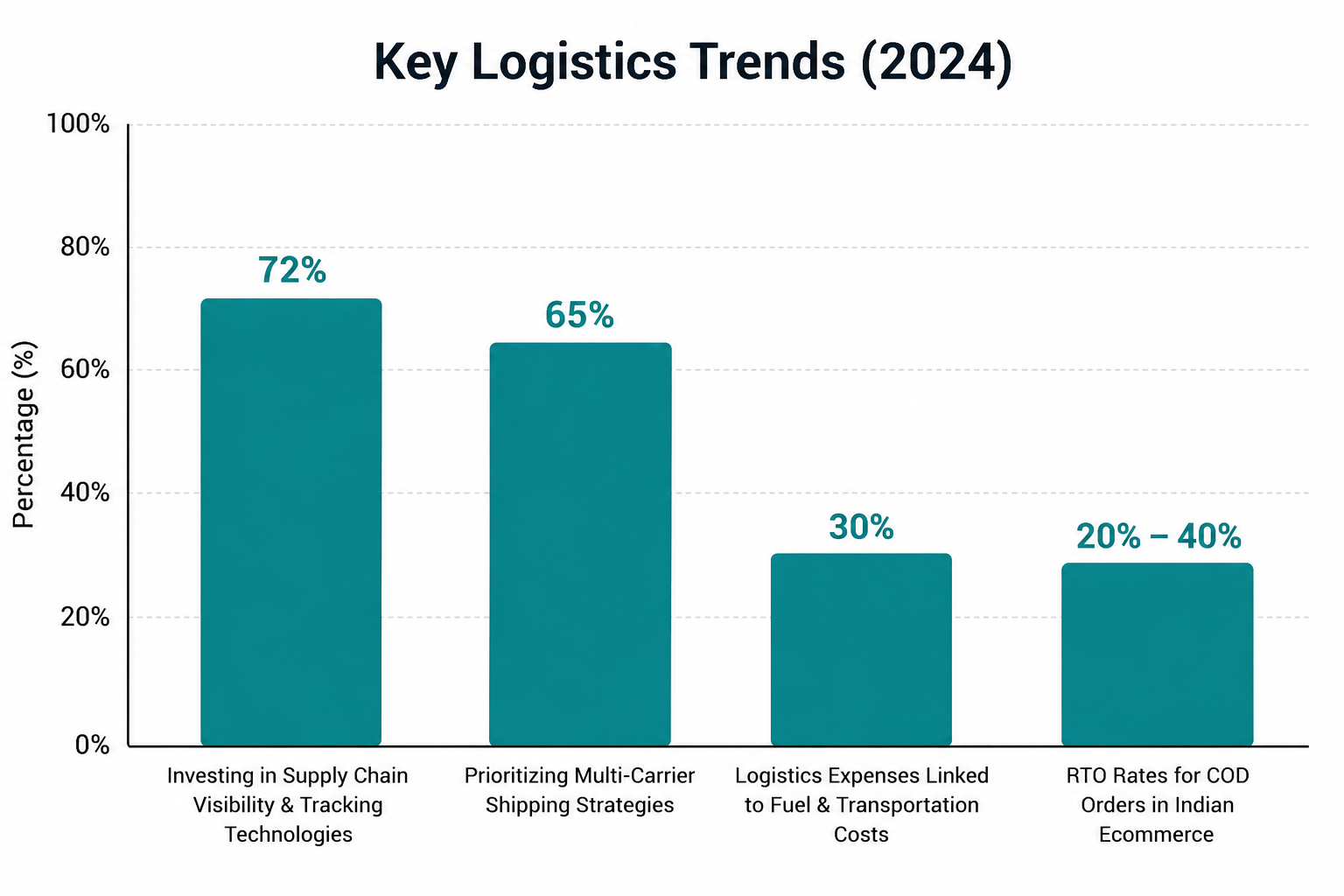
- 72% of logistics companies are increasing investments in supply chain visibility and tracking technologies to improve operational control.
- 65% of ecommerce businesses are prioritizing multi-carrier shipping strategies to reduce delivery dependency and optimize shipping costs.
- Over 30% of logistics expenses globally are linked to fuel and transportation costs, making route optimization more important than ever.
- RTO rates in Indian ecommerce can range between 20% to 40% for COD orders, increasing reverse logistics expenses during fuel price hikes.
- AI-driven route optimization tools are helping businesses reduce fuel consumption and delivery inefficiencies across large shipment volumes.
- Real-time delivery tracking is becoming a standard expectation as customers demand faster updates and better shipment visibility.
- Automation-led courier allocation is helping businesses reduce manual decision-making and improve delivery performance across regions.
Businesses globally are rapidly investing in logistics technology to improve operational resilience during ongoing transportation and economic disruptions.
As fuel prices continue fluctuating, logistics operations are shifting from traditional shipping workflows toward smarter, data-driven delivery management. Businesses that adapt faster through automation and operational visibility will be better prepared for the long-term impact of the global oil crisis.
The Future of Logistics Will Belong to Smarter Operations
The global oil crisis is slowly changing the way businesses approach logistics and delivery management. Rising fuel costs are no longer just increasing shipping expenses, they are exposing the gaps inside traditional logistics operations. Businesses relying heavily on manual courier allocation, limited shipment visibility, and inefficient delivery planning may find it harder to maintain profitability as transportation costs continue rising.
This is why ecommerce and supply chain businesses are now moving toward smarter, automation-led logistics operations focused on efficiency, visibility, and better cost control. Platforms like eShipz are helping businesses optimize courier allocation, reduce RTO losses, improve tracking visibility, and make delivery operations more efficient during uncertain market conditions. As the logistics industry continues evolving, businesses that adapt early with smarter shipping strategies will be better prepared for the future.