





Logistics platform technology is becoming increasingly important as India’s D2C ecosystem continues to expand. India’s D2C market is projected to reach US$60 billion by 2030, while Tier 2 and Tier 3 cities are expected to contribute 66% of new D2C orders in FY26. At the same time, India’s e-commerce market is projected to reach US$345 billion by 2030.
For a growing D2C brand, this growth also means growing logistics complexity. A few hundred orders a month may be manageable with spreadsheets, manual courier bookings and individual tracking dashboards. But as order volumes increase, brands may find themselves managing multiple courier partners, different shipping rates, delayed deliveries, NDRs, RTOs and returns at the same time.
This is where the right logistics software can make a difference. A modern logistics platform gives D2C businesses a centralised way to manage their shipping operations. Instead of switching between multiple courier portals and manually updating shipment information, brands can use technology to automate shipping, manage carriers, track orders and gain better visibility across the delivery journey.
For D2C ecommerce, this is particularly important because logistics directly influences the customer experience. Faster deliveries, accurate tracking, fewer failed deliveries and easier returns can help brands build greater trust and encourage repeat purchases.
But with so many logistics management platforms available, how do you know which one is right for your business?
In this guide, we’ll look at what a logistics platform is, why growing D2C brands need one, the key features to look for, the top 10 logistics platforms to consider, and how to choose the best logistics software for your specific business needs.
Why Growing D2C Brands Need Smarter Logistics Management
For a growing D2C ecommerce business, logistics is no longer just about moving a package from your warehouse to your customer. It plays a direct role in customer satisfaction, operational costs, delivery speed, cash flow and repeat purchases.
Imagine a customer placing an order on your website. The order needs to be processed, assigned to the right courier, picked up, transported and delivered. At every stage, there can be tracking updates, delivery delays, failed attempts, address issues or customer requests that need attention. When order volumes are low, your team may be able to manage these activities manually. But as your D2C brand grows, manual logistics management can quickly become difficult to scale. Managing multiple courier partners, tracking hundreds of shipments and resolving delivery exceptions can take significant time and resources.
This is where logistics management software can make a difference. By bringing key shipping activities together, it can automate repetitive processes while giving your team a single view of shipments, carriers and delivery performance.
The need becomes even greater when you work with multiple carriers, different delivery locations and increasing order volumes. Instead of managing logistics as a series of disconnected tasks, the right technology can help turn it into a more organised, visible and scalable operation. For a growing D2C business, better logistics management is ultimately about more than operational efficiency. It is about creating a delivery experience that can keep pace with the growth of your brand.
Top 10 Logistics Platforms for D2C Brands
There is no single best logistics software for every company. The right platform depends on your business model, shipping volume, carrier requirements, integrations and growth plans. A good logistics platform should not only help you ship orders but also make day-to-day logistics management easier as your business grows.
Here are ten platforms D2C businesses can consider.
| Platform | Rating | Best Suited For | Key Solutions for D2C Brands |
| 1. eShipz | ⭐ 4.8/5 | D2C, B2B, B2C & Enterprise | Multi-carrier management, shipping automation, AI-driven carrier allocation, branded tracking, real-time shipment visibility, NDR management, RTO reduction, returns management and analytics |
| 2. Shiprocket | ⭐ 4.5/5 | SMBs, D2C & Ecommerce | Multi-carrier shipping, courier aggregation, shipment creation, tracking, shipping rate comparison and delivery management |
| 3. ClickPost | ⭐ 4.6/5 | Enterprise & Large D2C Brands | Carrier management, post-purchase experience, shipment tracking, NDR management, returns, delivery intelligence and carrier performance |
| 4. NimbusPost | ⭐ 4.4/5 | SMBs & Growing D2C Brands | Courier aggregation, shipping management, shipment tracking, carrier selection and shipping automation |
| 5. iThink Logistics | ⭐ 4.4/5 | D2C & Ecommerce Businesses | Multi-carrier shipping, courier aggregation, shipping automation, tracking and delivery management |
| 6. Shipway | ⭐ 4.3/5 | D2C & Ecommerce Brands | Branded tracking, shipment tracking, customer notifications and post-purchase engagement |
| 7. Shyplite | ⭐ 4.2/5 | SMBs & Ecommerce Businesses | Multi-carrier shipping, courier integrations, shipment management, tracking and logistics automation |
| 8. Shipmozo | ⭐ 4.2/5 | Growing Ecommerce & D2C Businesses | Courier aggregation, multi-carrier shipping, shipment management, shipping automation and tracking |
| 9. Unicommerce | ⭐ 4.4/5 | Omnichannel D2C & Enterprise | Order management, inventory management, warehouse operations, fulfilment and ecommerce operations |
| 10. Easyship | ⭐ 4.3/5 | International & Cross-Border D2C | Multi-carrier shipping, international shipping, cross-border logistics, shipping rates and shipment tracking |
-
eShipz
eShipz is a logistics technology platform designed to help D2C brands, B2B, B2C and enterprise businesses simplify, automate and manage their shipping operations through a centralised system. It is built for businesses that work with multiple carriers, manage growing shipping volumes and need greater visibility and control over their logistics processes.
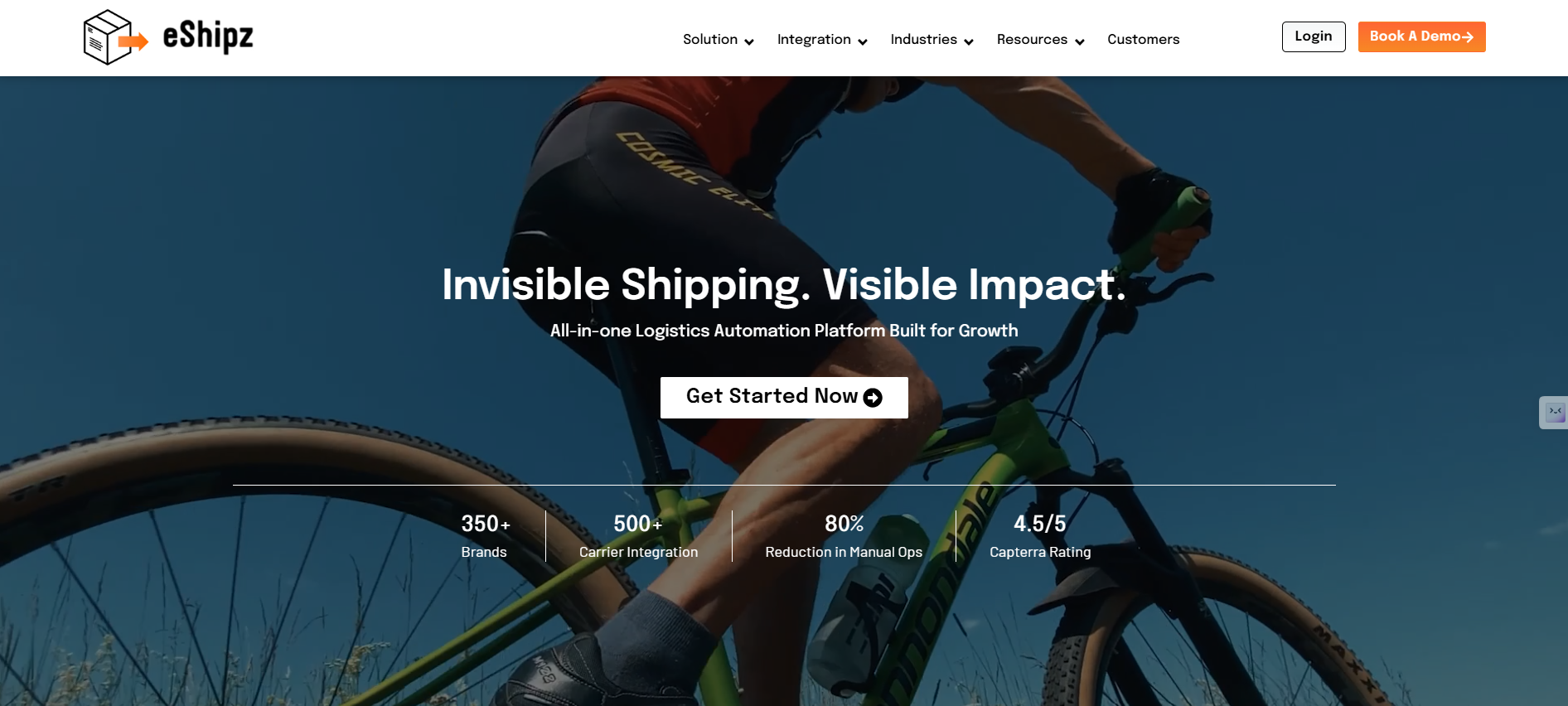
For a growing D2C brand, eShipz provides a centralised environment for managing shipping workflows across carriers. Its capabilities cover areas such as carrier management, shipment automation, tracking, NDR management, returns and analytics. This makes it suitable for D2C businesses looking to streamline their delivery operations while also supporting the broader logistics requirements of B2B, B2C and enterprise businesses.
One of the key advantages of using a centralised logistics management solution is that businesses do not have to manage every carrier independently. eShipz helps bring different shipping activities into a more connected workflow, giving operations teams greater visibility, control and flexibility across their logistics operations.
For enterprises, eShipz can support more complex shipping requirements and larger-scale operations, while B2B and B2C businesses can use its capabilities to streamline day-to-day shipping and delivery management. For D2C brands, the platform can help manage growing order volumes, multiple carriers, customer deliveries, NDRs, returns and post-shipping operations from a single system.
For businesses moving beyond basic shipping aggregation and looking for broader logistics management software, eShipz offers a flexible logistics platform that can support different business models and scale alongside changing logistics requirements.
-
Shiprocket
Shiprocket is a shipping and logistics platform widely used by ecommerce sellers and D2C businesses to manage multi-carrier shipping. Its focus is on making shipping more accessible for online businesses by connecting them with multiple courier partners through a single platform. The platform provides tools for shipment creation, courier selection, tracking and delivery management. This can make it useful for smaller and growing businesses that want to centralise their shipping operations.
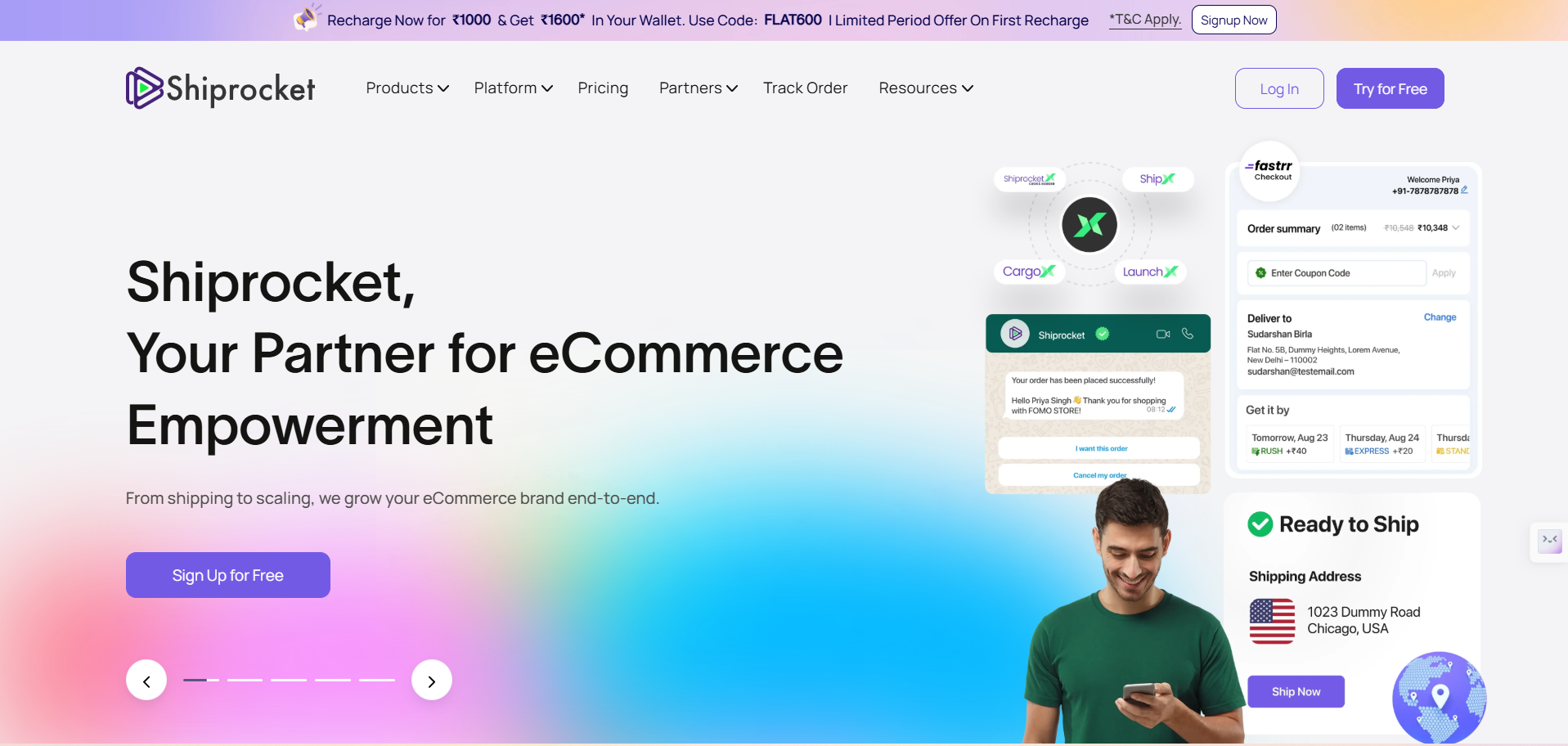
For a growing D2C ecommerce business, Shiprocket can be a practical option for managing everyday shipping requirements. However, businesses should compare the depth of automation, analytics, integrations and post-shipping capabilities against their specific requirements.
-
ClickPost
ClickPost is a logistics technology company focused strongly on post-purchase operations and delivery experience. Its platform brings together capabilities such as carrier management, shipment visibility, NDR management, returns and delivery performance. The platform is particularly relevant for larger D2C and enterprise businesses that require deeper control over their delivery operations and want better visibility into shipment performance.
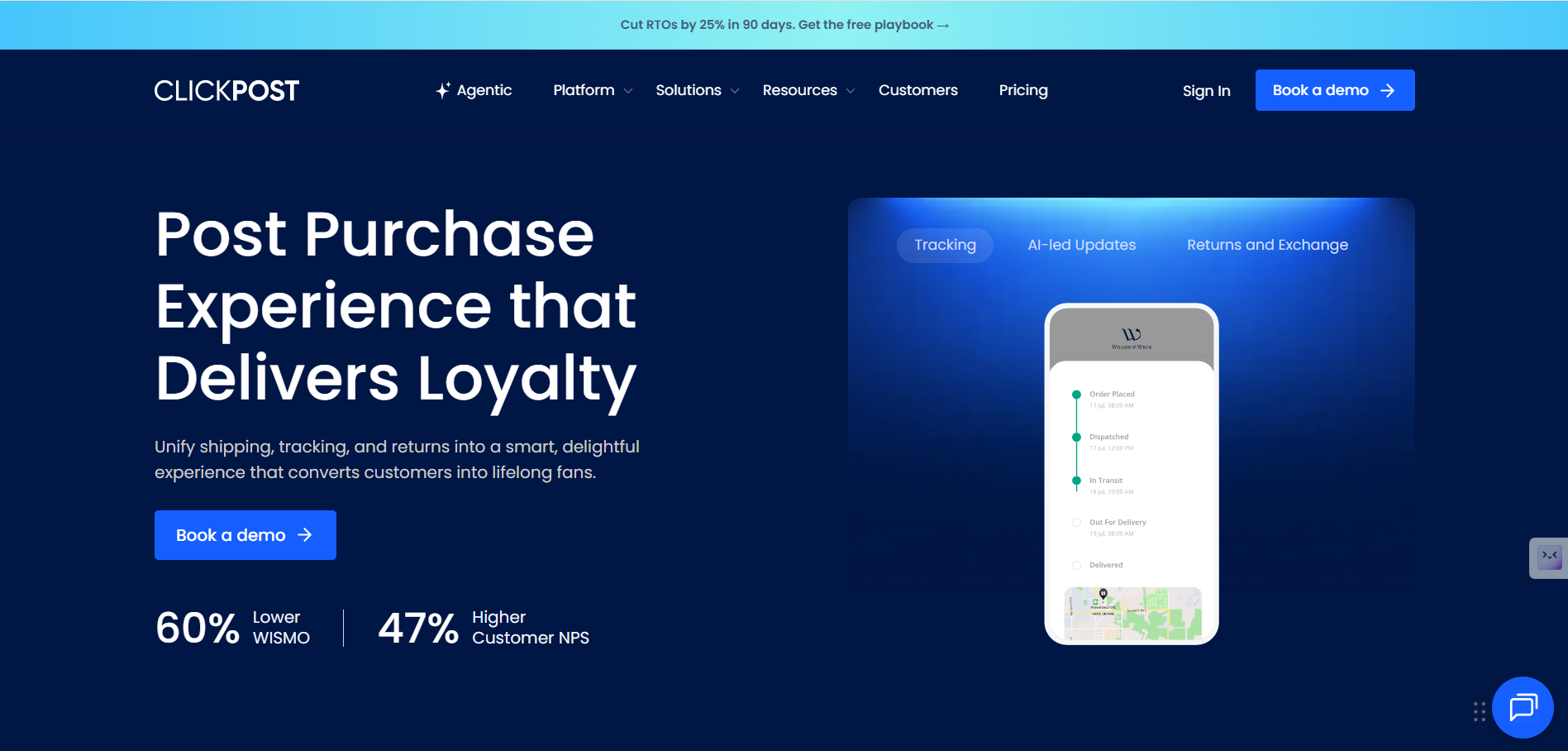
Brands evaluating logistics software can consider ClickPost when post-purchase experience, shipment intelligence and carrier performance are major priorities. Its capabilities can also support businesses looking to improve the customer experience after an order has been placed.
-
NimbusPost
NimbusPost is a shipping and courier aggregation platform designed to help ecommerce businesses manage shipments through multiple delivery partners.
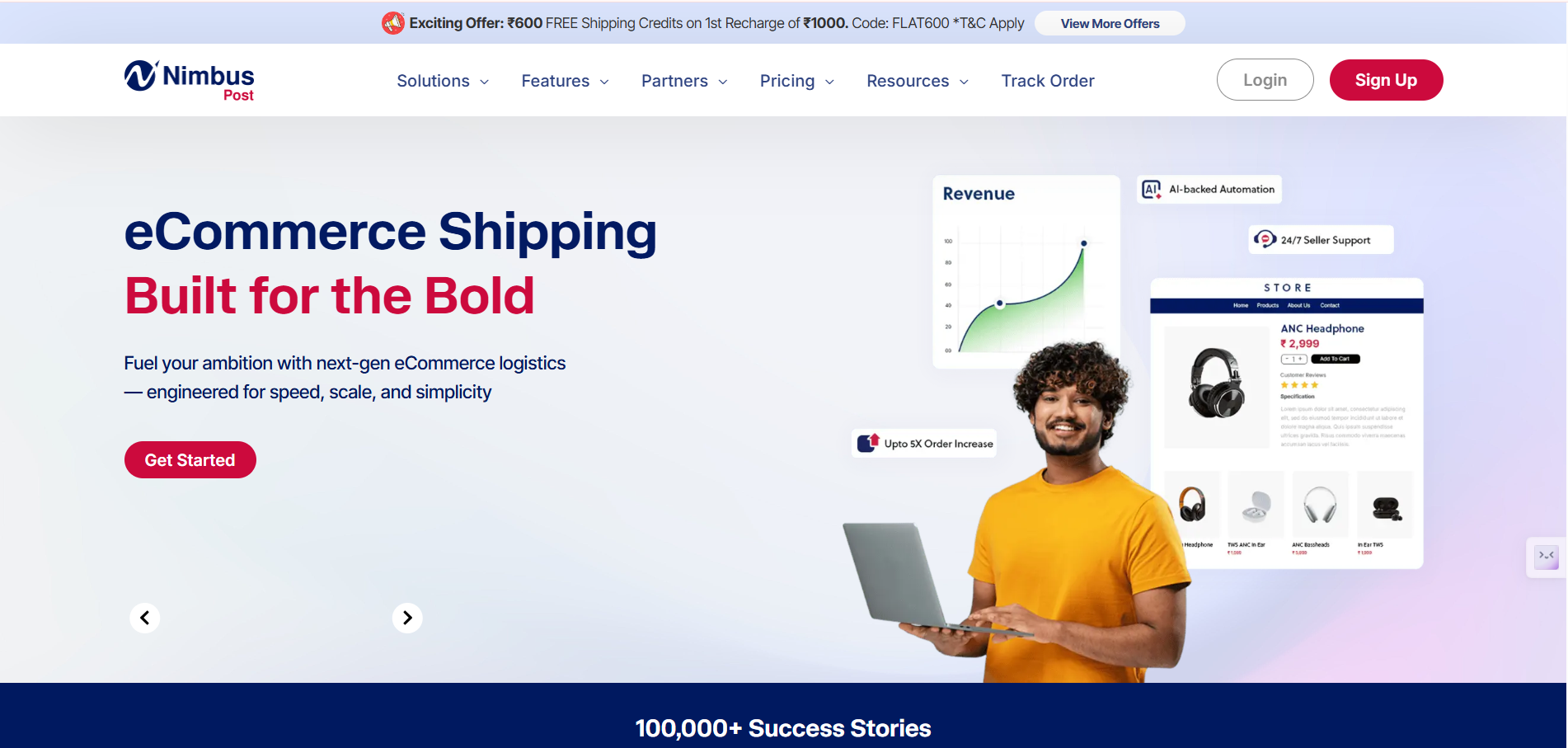
It focuses on simplifying the shipping process by bringing different courier options into one platform. The platform provides businesses with tools for shipment management, courier selection, tracking and delivery operations. This can help reduce the need to manage each courier partner separately.
For emerging D2C ecommerce businesses, NimbusPost can be considered when the primary requirement is to simplify multi-carrier shipping and manage growing order volumes through a centralised system.
-
iThinkLogistics
iThink Logistics is a logistics technology company that helps ecommerce businesses manage shipping through multiple courier partners. Its platform focuses on simplifying shipping operations while providing businesses with greater flexibility in managing their delivery network. Its capabilities include shipping automation, courier aggregation, tracking and delivery management. This makes it relevant for ecommerce sellers and D2C businesses looking to streamline their logistics workflows.
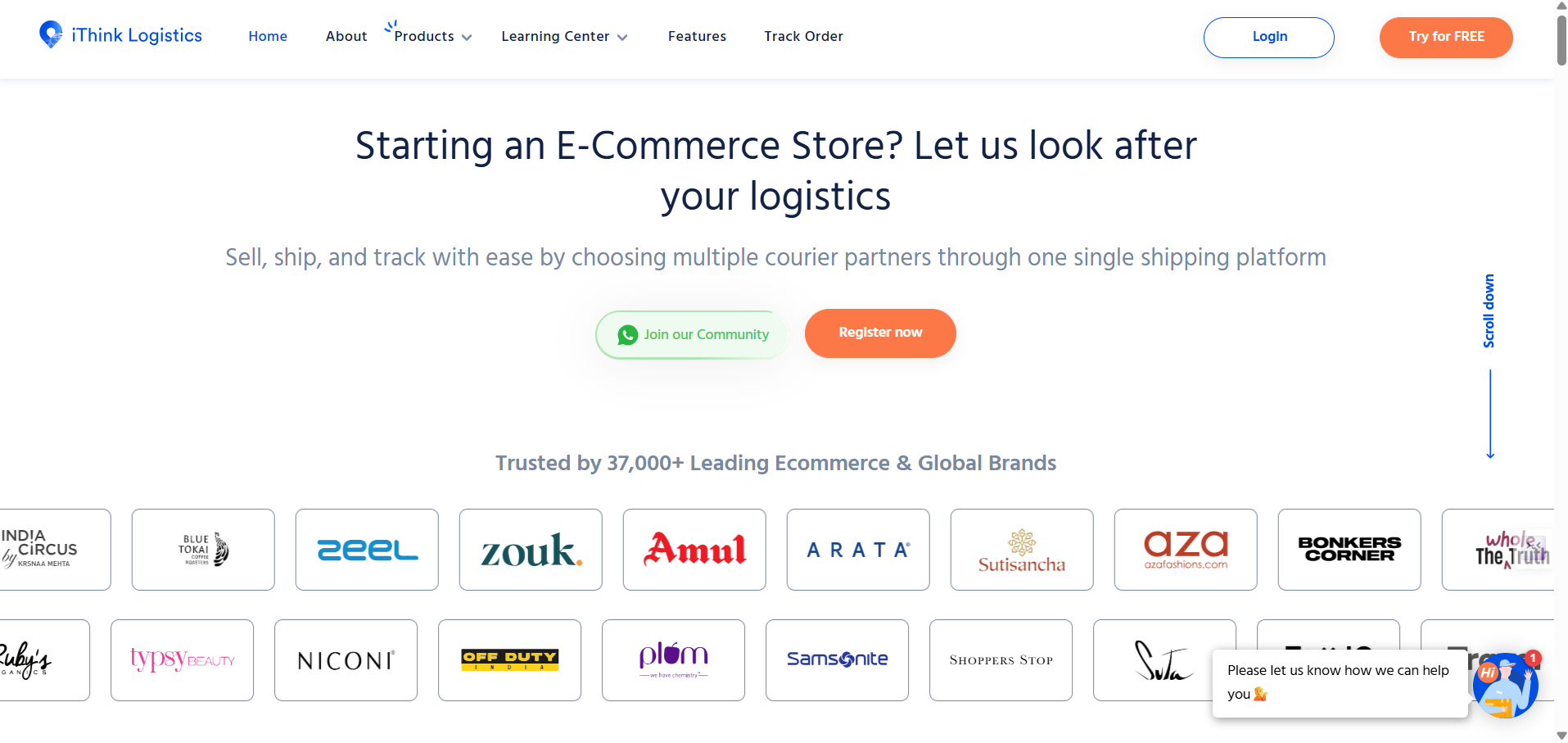
For a growing business, its multi-carrier approach can be useful when the brand wants greater flexibility in choosing delivery partners and managing shipments from a single platform.
-
Shipway
Shipway is a logistics and post-purchase experience platform focused on shipment tracking, customer communication and delivery engagement. Rather than concentrating only on shipment creation, it places considerable emphasis on what happens after an order has been shipped. Its capabilities include shipment tracking and customer communication tools designed to keep customers informed throughout the delivery journey.
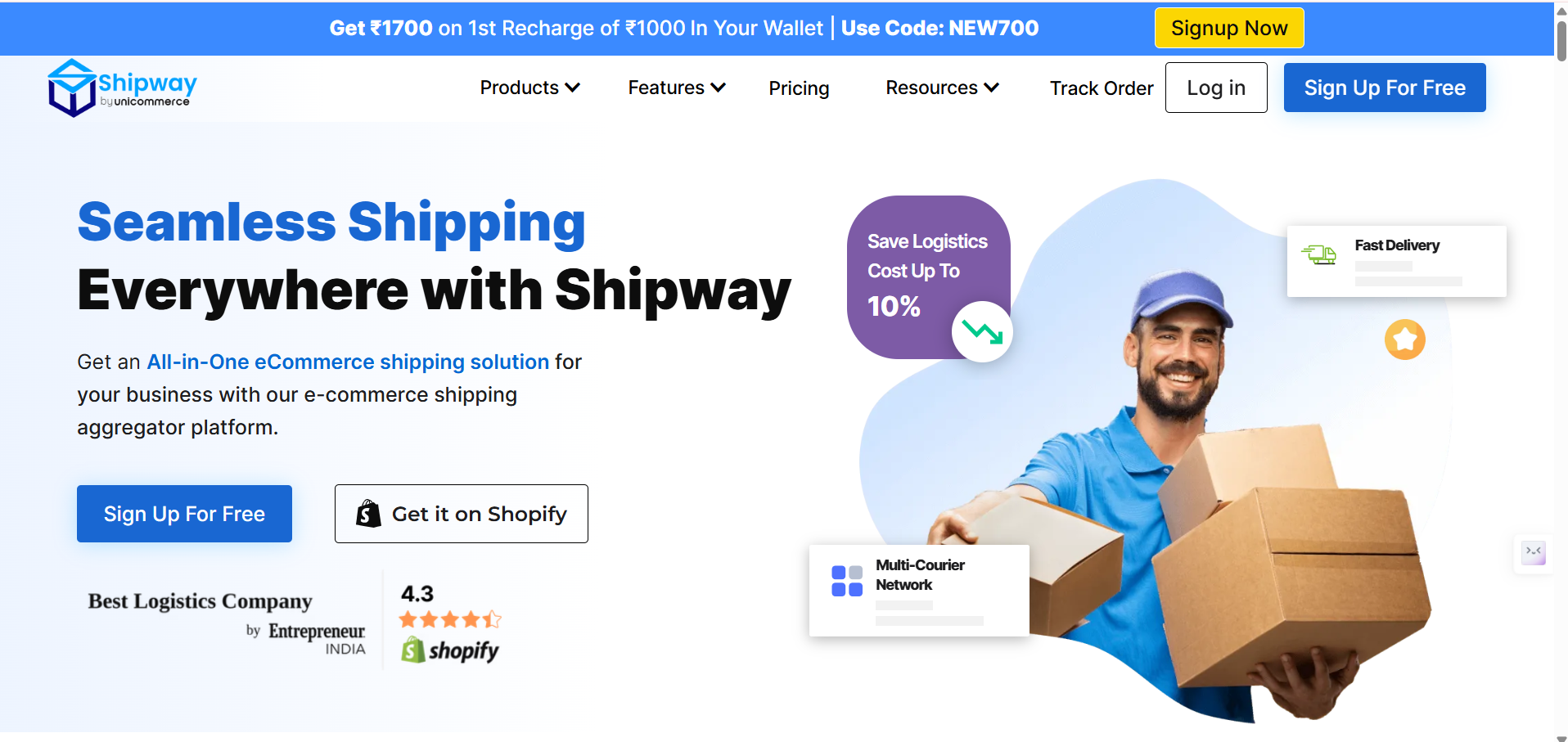
For a D2C brand looking to strengthen branded tracking and customer communication, Shipway can be considered as part of its broader logistics technology stack. Its focus on post-purchase engagement makes it different from platforms that primarily concentrate on shipment creation and courier aggregation.
-
Shyplite
Shyplite is a shipping management platform that helps ecommerce businesses connect with multiple courier partners and manage their shipping operations from a centralised system. The platform focuses on areas such as shipment management, courier integrations and tracking, helping businesses bring different parts of their shipping workflow together.
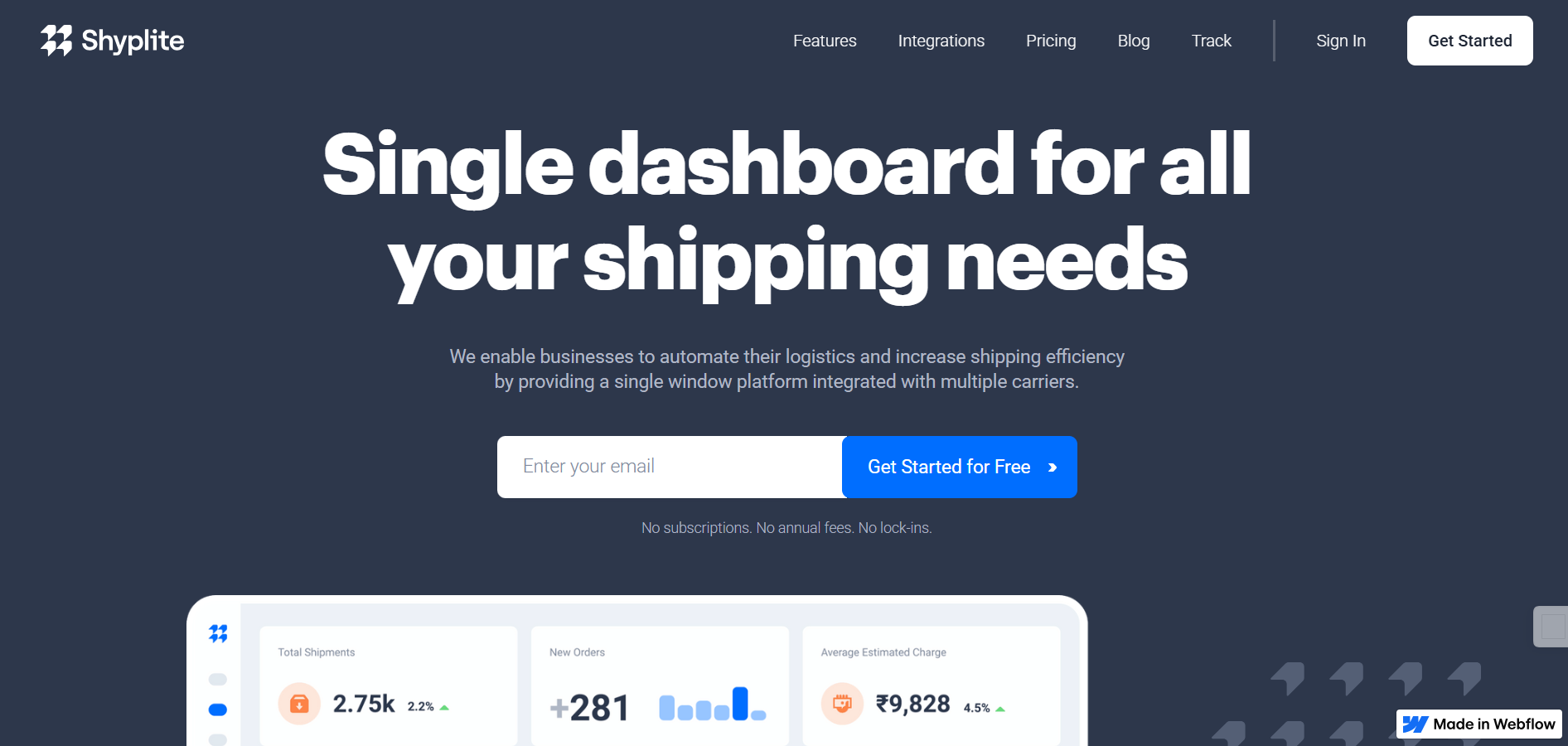
For brands comparing logistics management software, Shyplite can be evaluated based on factors such as integration capabilities, carrier coverage, automation and how well the platform fits into existing ecommerce operations.
-
Shipmozo
Shipmozo is a shipping and logistics platform that provides multi-carrier shipping and shipment management capabilities for ecommerce businesses. Its focus is on helping online sellers simplify courier selection and manage shipments through a single platform.
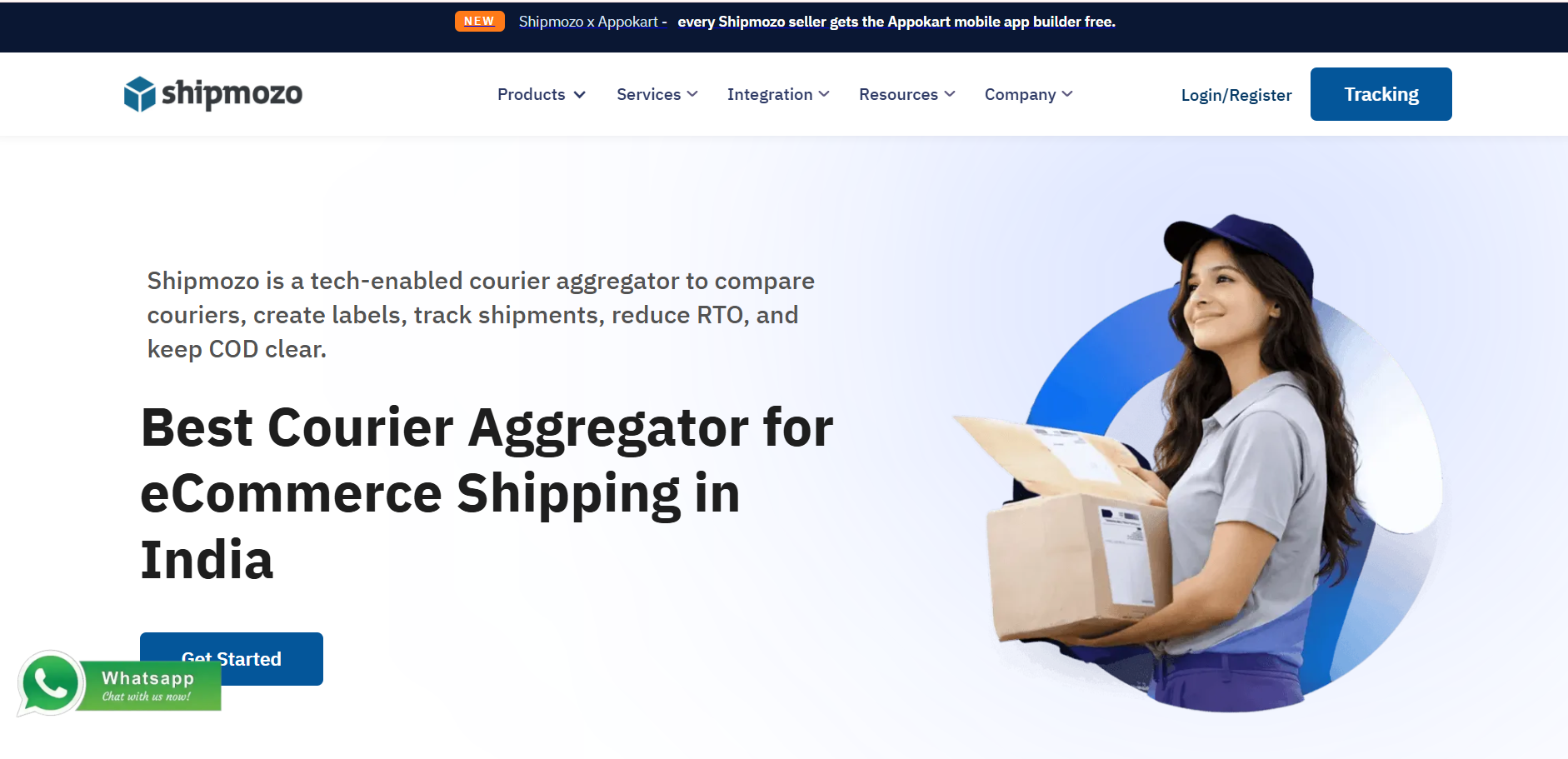
The platform can be considered by growing sellers looking for courier aggregation, shipping automation and centralised shipment management. As with any logistics platform, businesses should assess its carrier network, integrations, reporting capabilities and ability to support future order growth before making a decision.
-
Unicommerce
Unicommerce is an ecommerce technology platform that takes a broader approach to online business operations. Rather than focusing only on shipping, it covers areas such as order management, inventory management and fulfilment. This broader operational approach can be useful for a D2C brand managing orders across multiple sales channels and looking to connect different parts of its ecommerce operations.
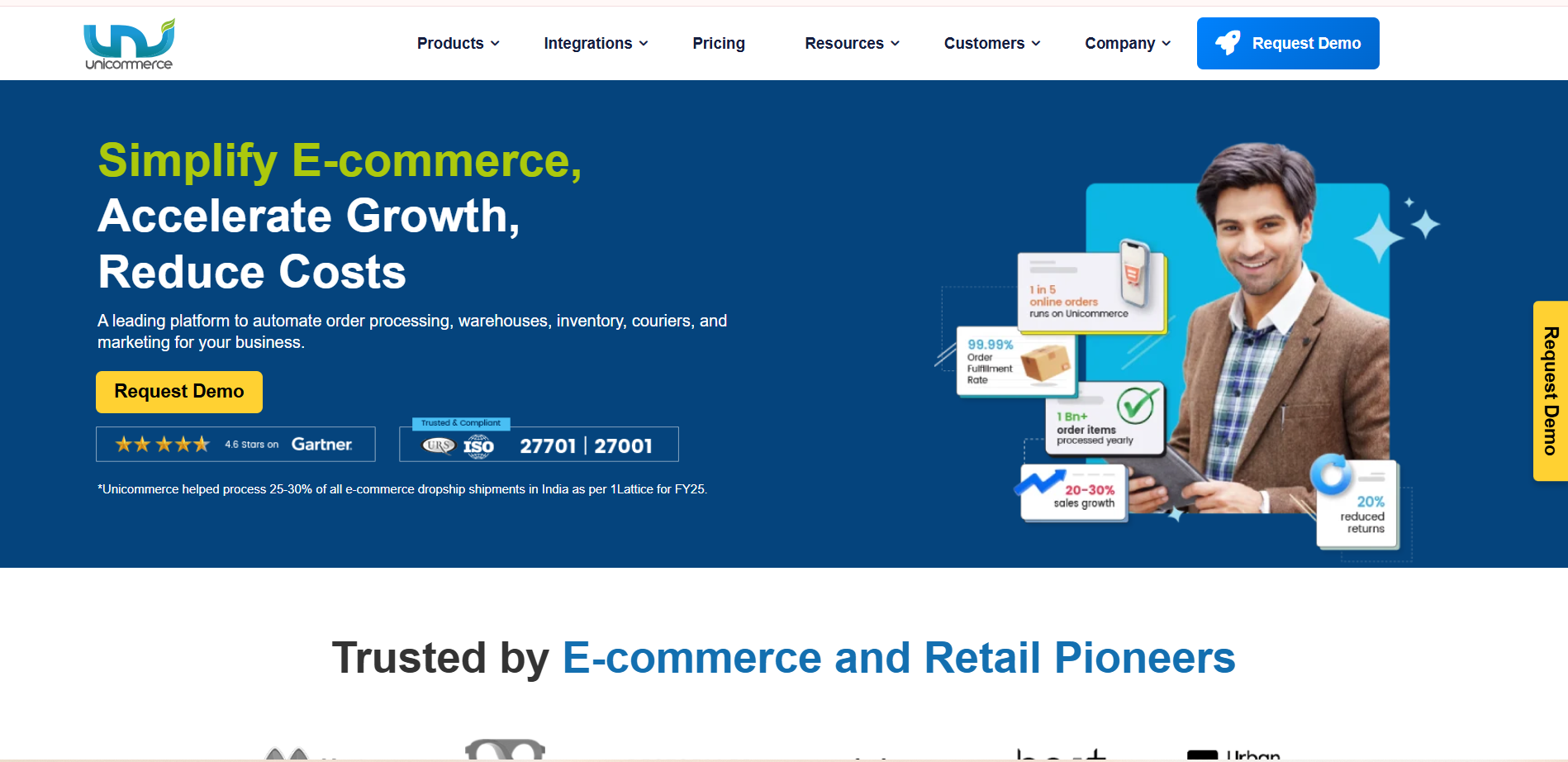
However, brands specifically looking for specialised logistics management capabilities should compare its shipping and fulfilment functionality with dedicated logistics platforms to determine which approach better matches their requirements.
-
Easyship
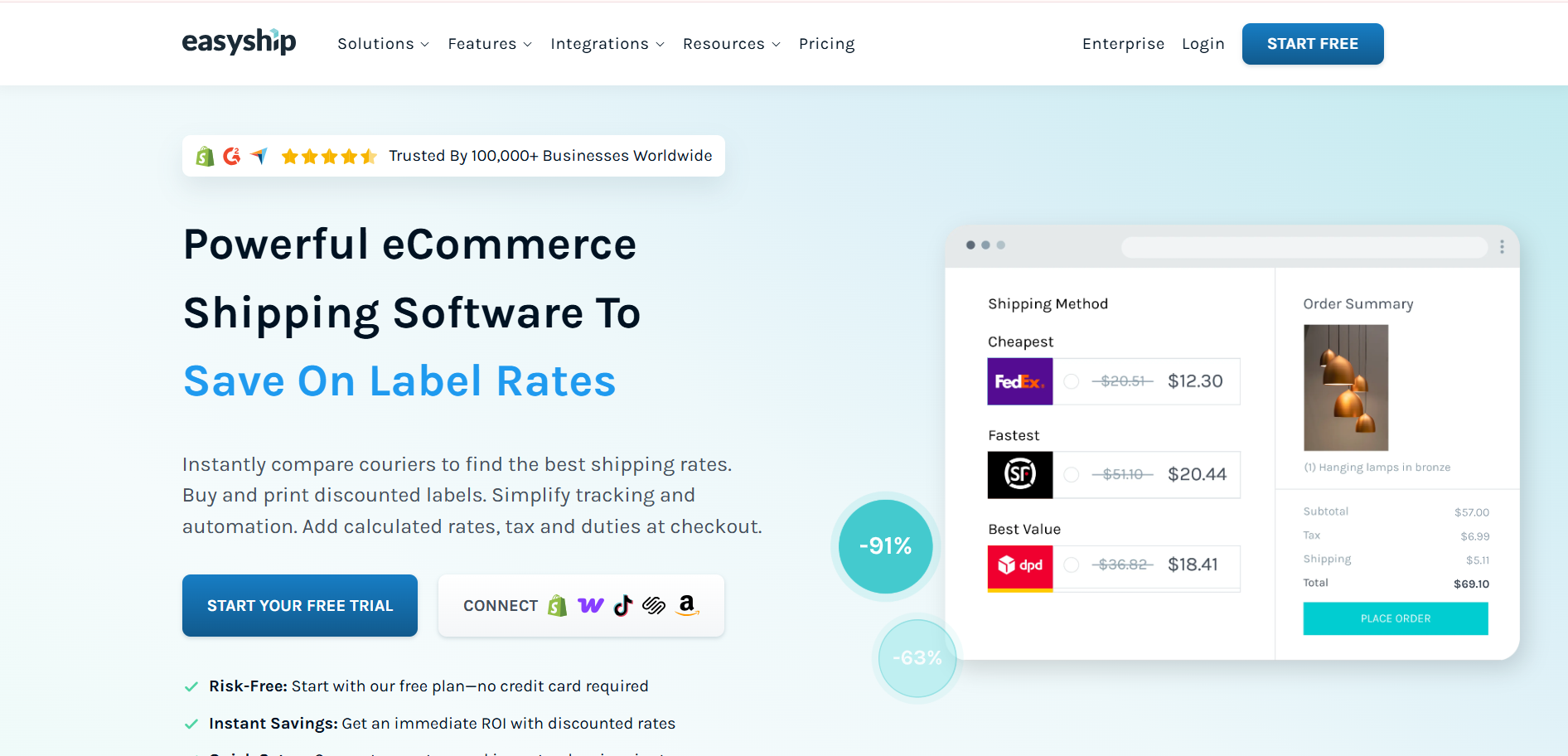
Easyship is a shipping technology platform designed to help ecommerce businesses simplify domestic, international and cross-border shipping. Its focus on connecting businesses with multiple carriers makes it particularly relevant for brands serving customers across different markets. The platform provides access to multiple carriers along with tools designed to simplify international shipping and delivery management.
For a D2C brand planning to expand internationally, Easyship can be worth considering based on its cross-border capabilities, carrier availability, international shipping options and shipping cost management.
What Features Should You Look for in Logistics Software?
Not every logistics software platform is built for the same type of business. Some focus mainly on shipping aggregation, while others provide advanced automation, post-purchase visibility, returns management and broader logistics management capabilities. For a growing D2C brand, choosing the right logistics platform means looking beyond basic shipping and finding a logistics management solution that can support your operations as they scale.
Before choosing the best logistics software for your D2C ecommerce business, consider these key features:
- Multi-Carrier Management
A growing D2C brand should ideally have access to multiple courier partners rather than depending on a single carrier. Different carriers can perform differently across locations. One may offer better serviceability in a particular region, while another may provide better delivery timelines or pricing.
A good logistics platform allows you to integrate multiple carriers and manage shipments from one place. This makes logistics management more flexible and gives businesses the ability to select carriers based on destination, serviceability, shipping cost, delivery performance and shipment type. For D2C ecommerce businesses expanding into new markets, this flexibility can become increasingly important.
- Automated Carrier Allocation
Having multiple courier partners is useful, but manually deciding which carrier should handle every order can create another operational challenge. This is where automation becomes important. Modern logistics management software can use predefined rules to allocate shipments to suitable carriers based on factors such as location, weight, pin code, delivery speed, carrier performance and shipping cost. This reduces manual decision-making, speeds up order processing and creates greater consistency for a growing D2C brand.
- Shipping Automation
Shipping involves several repetitive tasks, including importing orders, creating shipments, generating labels and updating tracking information. When these activities are handled manually, even small errors can create delays.
The right logistics software can automate these workflows and reduce the number of manual steps required from your operations team. This allows businesses to handle increasing order volumes without increasing operational effort at the same rate. For a growing D2C ecommerce operation, shipping automation can therefore become an important part of scalable logistics management.
- Real-Time Shipment Tracking
Once an order leaves the warehouse, visibility becomes critical. Customers want to know where their package is, customer support teams need accurate shipment information, and operations teams need to identify delays and exceptions.
A logistics management solution can provide tracking information across multiple carriers through a central dashboard, giving teams a clearer picture of the shipment lifecycle. For D2C ecommerce, this visibility is especially important because the delivery experience is an extension of the customer experience.
- NDR Management
Non-delivery reports, or NDRs, can become a significant operational challenge as order volumes increase. A delivery may fail because the customer is unavailable, the address is incorrect, the phone number cannot be reached, or the customer refuses the shipment. Without a structured process, teams may need to identify these shipments manually and contact customers individually.
A capable logistics management software platform can help identify NDR shipments, trigger communication and initiate appropriate follow-up actions. Better NDR management can improve delivery success and reduce unnecessary returns to origin.
- RTO Reduction
RTOs can have a direct impact on the profitability of a D2C brand. When an order cannot be delivered, the business may pay for forward and reverse logistics while also losing the opportunity to complete the sale.
A good logistics platform should provide visibility into RTO trends and help businesses identify patterns across geography, courier, payment method, product category and customer segments. These insights turn logistics management data into an actionable tool for improving delivery performance and controlling costs.
- Returns Management
Returns are an important part of D2C ecommerce and can become increasingly complex as order volumes grow. Customers may return products because of size issues, product preferences, damaged products, incorrect items or other reasons.
Managing reverse logistics manually can consume significant time. A strong logistics management solution should simplify return creation, pickup scheduling, tracking and status management. For a growing D2C brand, a smoother returns process can reduce operational workload while creating a better post-purchase experience.
- Analytics and Reporting
You cannot improve what you cannot measure. A strong logistics management system should provide data around shipping costs, carrier performance, delivery timelines, NDRs, RTOs and returns.
Your team should be able to answer questions such as:
- Which carriers are performing best?
- Where are deliveries getting delayed?
- Which locations have higher RTO rates?
- How much are you spending on shipping?
- Which courier provides the best balance between cost and performance?
These insights help a growing D2C brand make informed logistics decisions rather than relying on assumptions.
Ultimately, the best logistics software should give your business more than shipment creation. It should bring together carrier management, automation, tracking, NDR, returns and analytics in one scalable logistics platform, helping your D2C ecommerce operation manage growing volumes with greater visibility and control.
What Should a D2C Brand Prioritise?
If you’re evaluating a logistics management solution, start by identifying the operational challenges that are having the biggest impact on your D2C business. The right solution should address those challenges first, rather than simply offering a long list of features.
- Struggling with courier management? Prioritise multi-carrier capabilities that help you manage and optimise shipments across multiple courier partners.
- Spending too much time processing orders? Look for shipping automation that can streamline repetitive tasks and simplify order processing.
- Receiving frequent delivery-related support queries? Prioritise real-time tracking and customer communication to keep customers informed throughout the delivery journey.
- Losing profitability to RTOs? Look for NDR and RTO management capabilities that help reduce failed deliveries and improve recovery.
- Finding returns difficult to manage? Prioritise reverse logistics capabilities that simplify the returns process from initiation to completion.
- Struggling to understand your shipping costs? Look for logistics analytics and reporting that provide clear visibility into shipping performance, costs, and carrier trends.
For a D2C brand, the best logistics management solution is not necessarily the one with the most features. It’s the one that solves your biggest operational challenges, improves shipping efficiency, and scales with your business.
Making Logistics a Growth Enabler for Your D2C Brand
For a growing D2C brand, logistics can quickly become too complex to manage effectively through disconnected courier portals and spreadsheets. A modern logistics platform provides the centralised visibility and automation needed to manage that complexity, from multi-carrier shipping and automated allocation to tracking, NDR, RTO management, returns and analytics.
The best logistics software for your business ultimately depends on your order volume, carrier network, selling channels, customer locations and growth plans. The goal is to choose a logistics management solution that reduces manual work today while giving your team the flexibility to scale tomorrow. When logistics can scale alongside your business, shipping stops being a daily operational challenge and becomes an important part of delivering a better D2C ecommerce experience.
Want to explore more about D2C logistics?