





Shipment tracking software is now a core part of ecommerce operations. As online orders grow, customers expect more than an “order shipped” notification. They want to see where their package is, when it’s expected to arrive, and whether anything changes in transit. For businesses, shipment tracking software gives teams the shipment visibility they need to monitor deliveries, spot exceptions, keep customers informed, and provide a dependable post-purchase experience.
Delivery expectations are rising. According to industry data, more than 90% of online shoppers expect real-time tracking updates, and nearly 70% are less likely to shop again with brands that don’t provide adequate delivery visibility. India’s ecommerce market is expanding too, with the country’s online retail sector projected to reach USD 325 billion by 2030. That makes real time shipment tracking increasingly important for ecommerce operations and customer retention.
For growing D2C brands, retailers, marketplaces, and enterprises, handling shipments across multiple carriers can get complicated fast. The right shipment tracking system puts carrier data in one place and supports real time shipment tracking, automated delivery notifications, estimated delivery dates, branded tracking pages, delivery exception alerts, analytics, and multi-carrier visibility. It also helps logistics teams monitor orders, cut WISMO (Where Is My Order?) queries, and give customers more confidence throughout delivery.
Choosing the right shipment tracking software isn’t easy, especially with so many platforms on the market. Some focus on ecommerce shipment tracking and customer notifications, while others include shipping automation, carrier management, analytics, returns, and post-purchase engagement. This guide compares the 15 best shipment tracking software solutions for 2026, including their key features, ratings, highlights, and ideal use cases, so you can find a platform that fits your business requirements.
Shipment Tracking Software
Shipment tracking software is designed to help businesses keep a close eye on their orders as they move from the warehouse to the customer’s doorstep. More than just tracking, these tools improve overall operational control and ensure a smoother logistics journey for both companies and their customers.
What is a Shipment Tracking System?
A shipment tracking system lets businesses and customers follow a package from carrier pickup through final delivery. It shows essential details, including the package’s current location, transit status, expected delivery date, delivery attempts, and possible delays. For ecommerce businesses, a shipment tracking system delivers real time shipment tracking and centralized shipment visibility, so teams can monitor orders across carriers and delivery networks.
Modern shipment tracking software uses APIs, real-time data synchronization, predictive analytics, and sometimes machine learning. These tools pull updates from logistics and courier partners into one interface. Businesses can track orders, review delivery performance, spot exceptions, and send customers accurate order updates. Predictive features can estimate delivery dates and flag likely delays before they have a major effect on the customer experience.
Automation is another major benefit of a shipment tracking system. Rather than relying on spreadsheets, manual follow-ups, or repeated calls to courier partners, businesses can automate much of the delivery tracking process. Customers can receive notifications when an order ships, goes out for delivery, is delayed, or is delivered successfully. Businesses also get alerts for failed delivery attempts, address issues, delivery exceptions, and other shipment problems. This cuts repetitive work, reduces human error, and helps logistics teams act faster.

For ecommerce brands that ship with multiple carriers, logistics tracking provides one view of the full delivery operation. Teams can check shipments from different courier partners in one place instead of logging into separate carrier portals. That makes it easier to find delivery bottlenecks, assess carrier performance, improve delivery timelines, and keep customers updated. A reliable shipment tracking solution does more than show a package’s location. It brings together order tracking, delivery visibility, automated notifications, and logistics management for a better post-purchase experience.
Comparing the Best Shipment Tracking Software of 2026
Choosing from dozens of shipment tracking software and shipment tracking systems can be difficult for ecommerce businesses. This guide covers the 15 best shipment tracking solutions for 2026, assessed on ease of use, core features, real time shipment tracking, multi-carrier support, automation, shipment visibility, scalability, and customer experience. It includes tools for growing D2C brands, online retailers, and larger enterprises handling high-volume order tracking and logistics.
We also reviewed customer ratings and feedback on trusted software review sites, including G2 and Capterra, alongside each platform’s features and functionality. Ratings are a useful reference, but they aren’t the only measure of a platform’s value.
If you need real time shipment tracking, automated delivery notifications, logistics tracking, delivery visibility, or multi-carrier shipment management, this comparison shows what each tool does and which options may suit your business.
| Tool | Key Features | Highlights | Rating (G2/Capterra Avg.) |
| eShipz | Multi-carrier tracking, AI-powered ETAs, branded tracking pages | Strong in post-purchase visibility, built for D2C and enterprise | 4.7/5 |
| ClickPost | NDR management, customizable notifications | Strong analytics layer | 4.6/5 |
| AfterShip | Global carrier support, branded tracking | Widely used by ecommerce brands | 4.6/5 |
| Narvar | Customer engagement, proactive delivery comms | Trusted by large retailers | 4.6/5 |
| ShipStation | Multi-channel order sync, branded tracking. | Popular with SMBs. | 4.5/5 |
| Convey (by project44) | Predictive analytics, exception management | Strong enterprise features | 4.4/5 |
| Shippo | Easy integrations, flexible pricing | Good for growing brands | 4.5/5 |
| ParcelPerform | Advanced data visibility, AI-driven insights | Best for global shippers | 4.6/5 |
| EasyPost | Developer-friendly APIs | Ideal for tech-driven brands | 4.3/5 |
| MetaPack | International carrier management | Enterprise-grade | 4.4/5 |
| ShipERP | SAP-integrated shipping & tracking | Best for large enterprises | 4.5/5 |
| 17TRACK | Multi-carrier global tracking | Good for cross-border sellers | 4.2/5 |
| ParcelLab | Post-purchase engagement, sustainability insights | Focused on CX | 4.6/5 |
| Sorted | Delivery management, returns tracking | Built for omnichannel retailers | 4.3/5 |
| Tradlinx | Freight forwarding, visibility tools | Ideal for logistics providers | 4.2/5 |
This comparative breakdown allows businesses to quickly identify which platforms align with their scale, customer base, and technical needs.
eShipz
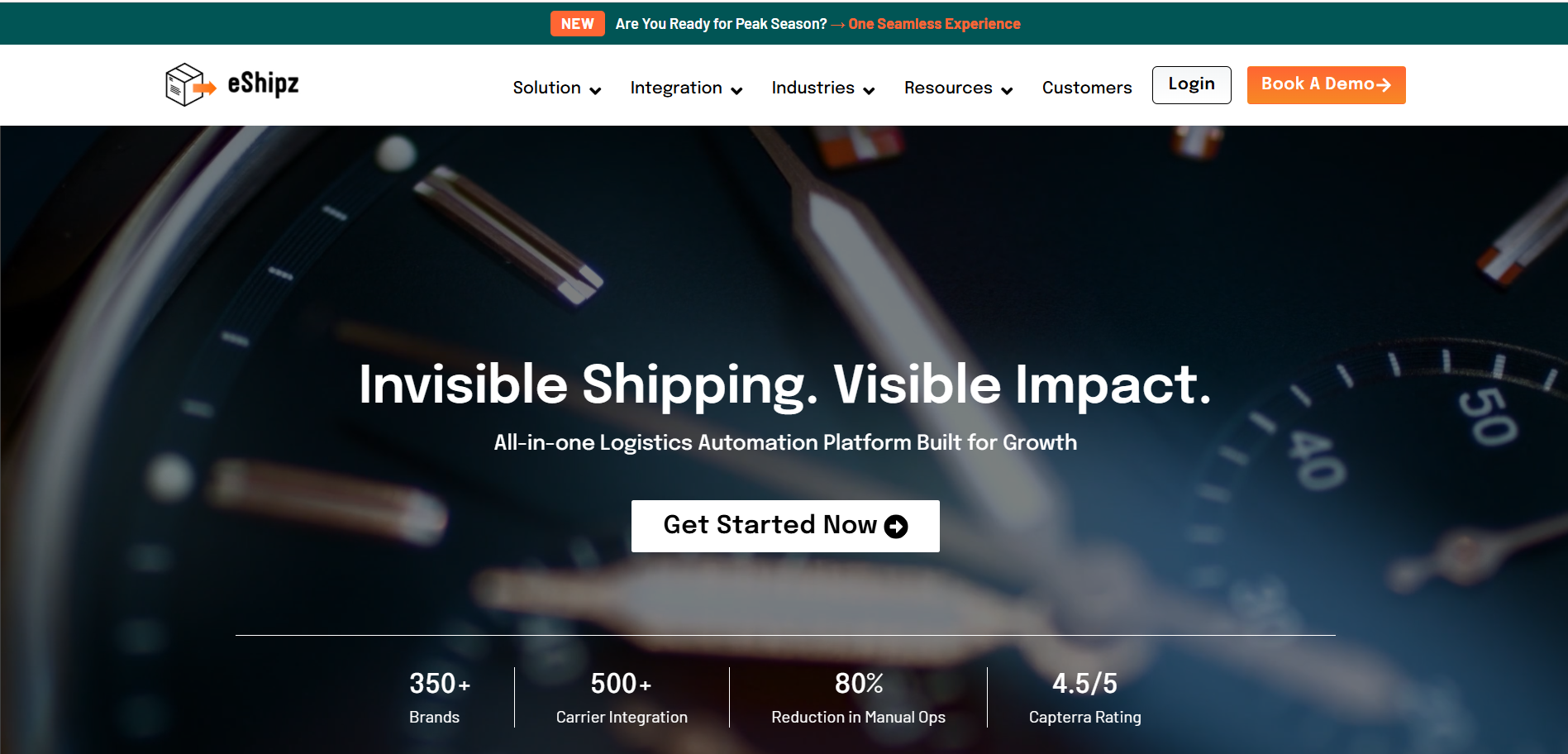
eShipz is a next-generation logistics automation and shipment tracking platform built for both D2C brands and enterprises. By integrating with 400+ carriers and offering AI-powered automation, eShipz simplifies everything from carrier allocation to post-purchase customer engagement. Its robust control tower ensures brands maintain full visibility across shipments, while features like branded tracking pages and predictive ETAs help deliver a seamless customer experience.
Highlights
- Strong in post-purchase visibility with branded experiences.
- Flexible for fast-growing D2C brands and scalable for large enterprises.
- Analytics-driven insights into courier performance and SLAs.
Rating (G2/Capterra Avg.)
⭐ 4.7/5
ClickPost
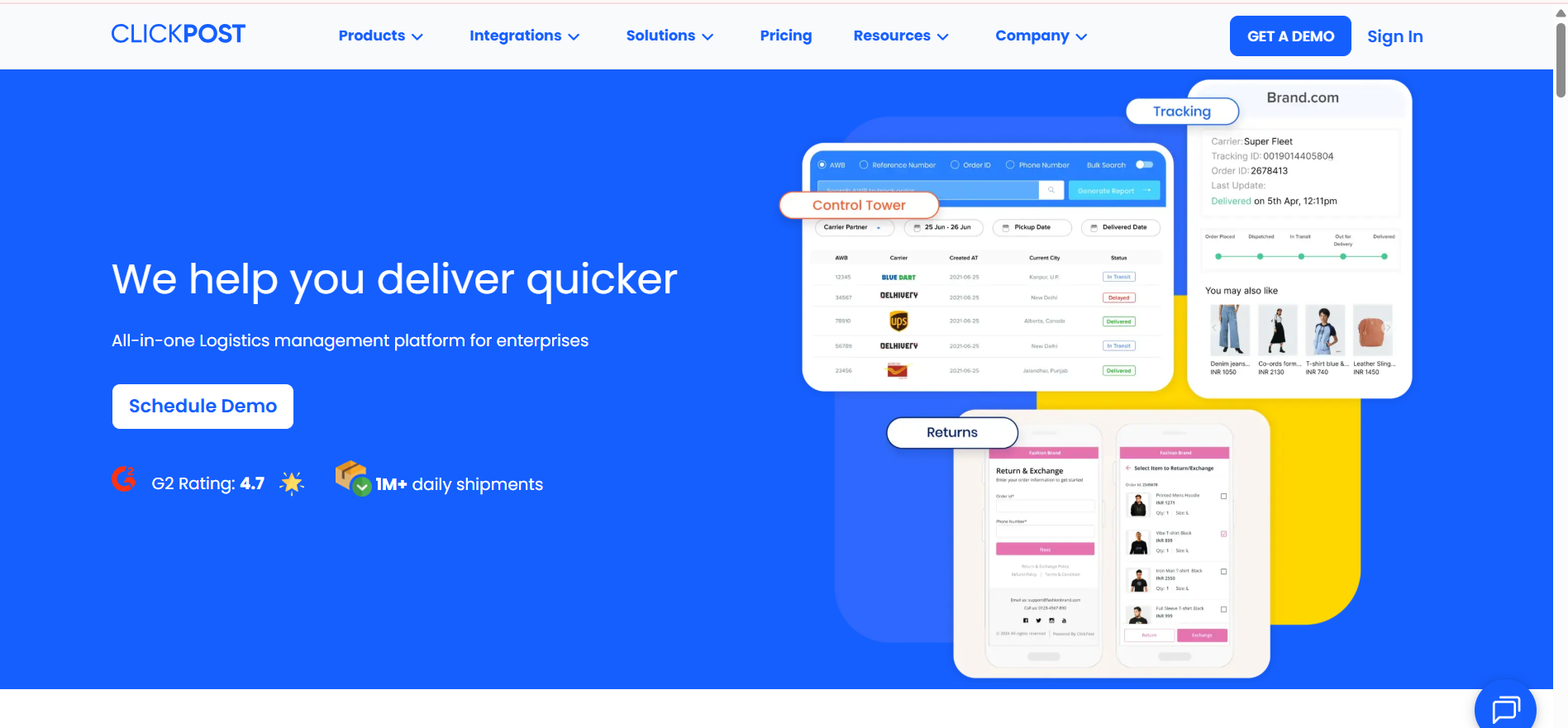
ClickPost is a leading logistics visibility and post-purchase experience platform designed for enterprises and eCommerce businesses. It stands out with its advanced NDR management and customizable communication features, helping brands reduce delivery failures and RTOs while keeping customers updated through branded notification.
Highlights
- Strong analytics layer for monitoring courier performance.
- Focused on enterprise-level delivery optimization.
- Helps reduce RTOs through proactive NDR workflows.
Rating (G2/Capterra Avg.)
⭐ 4.6/5
AfterShip
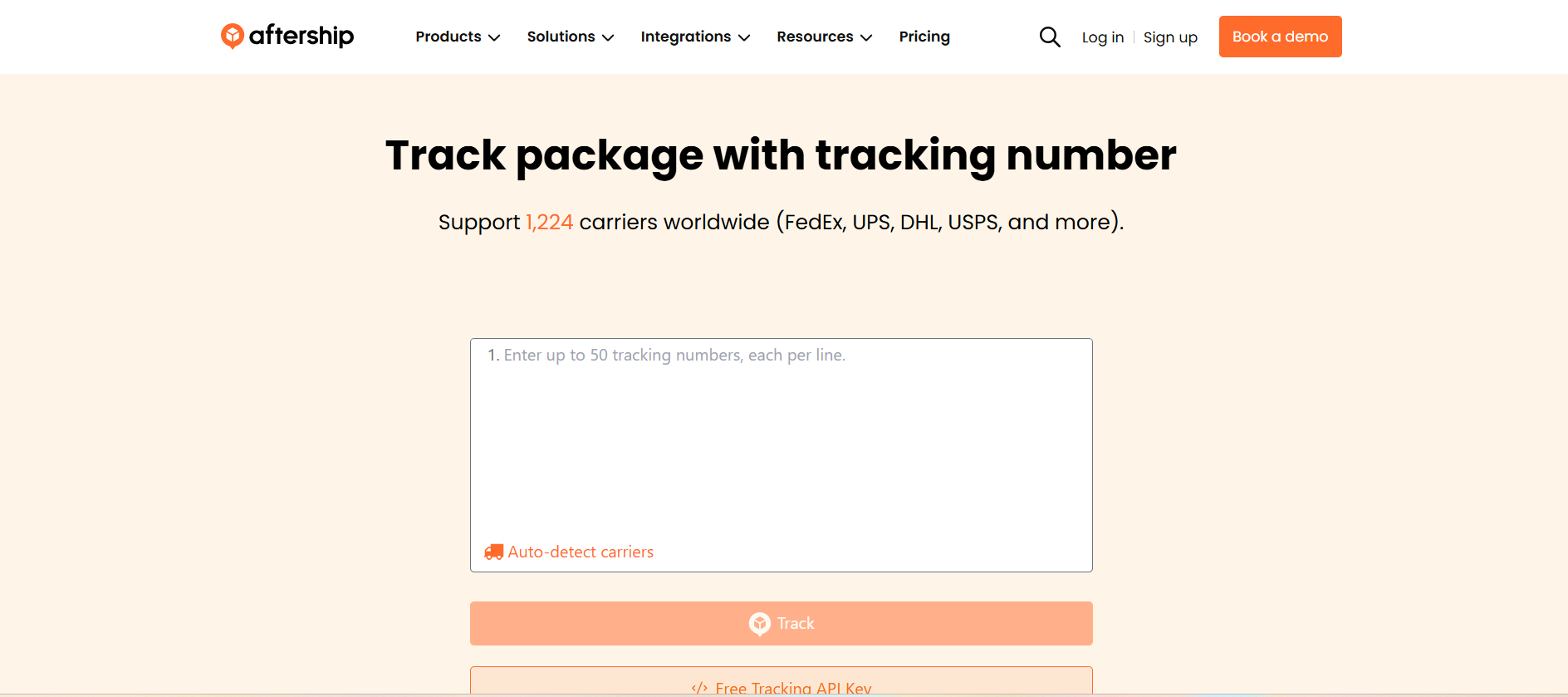
AfterShip is one of the most widely adopted shipment tracking platforms, trusted by thousands of eCommerce and retail businesses worldwide. Its strength lies in its global carrier coverage, with support for over 1,222 international and regional couriers, making it an excellent fit for businesses shipping across multiple geographies. Alongside carrier integration, AfterShip enhances the post-purchase experience with branded tracking and proactive customer communication.
Highlights
- Widely trusted by eCommerce brands for international scalability.
- Strong in branded post-purchase communication.
- Helps reduce customer inquiries with proactive updates.
Rating (G2/Capterra Avg.)
⭐ 4.6/5
Narvar
Narvar is a post-purchase experience platform built for large retailers and enterprises. Its strength lies in customer engagement, with tools that provide proactive delivery communication and branded touchpoints. By keeping customers informed at every stage of the journey, Narvar helps retailers reduce anxiety around deliveries and increase loyalty.
Highlights
- Trusted by large enterprise retailers.
- Focus on strengthening customer trust with proactive updates.
- Enhances loyalty through seamless returns and branded touchpoints.
Rating (G2/Capterra Avg.)
⭐ 4.6/5
ShipStation
ShipStation is a cloud-based shipping solution designed for SMBs and growing online sellers. Known for its multi-channel order sync and branded post-purchase tracking, ShipStation helps businesses save time by automating repetitive shipping tasks.
Highlights
- Popular with small and medium businesses.
- Great fit for sellers across multiple eCommerce platforms.
- Time-saving automation for fast fulfillment.
Rating (G2/Capterra Avg.)
⭐ 4.5/5
Convey (by project44)
Convey, now part of project44, specializes in predictive analytics and exception management for enterprise shippers. It focuses on creating visibility into shipments before issues occur, helping retailers and 3PLs act on delivery risks in real time.
Highlights
- Strong enterprise-level features.
- Great for high-volume retailers managing complex logistics.
- Helps reduce costs through proactive exception handling.
Rating (G2/Capterra Avg.)
⭐ 4.4/5
Shippo
Shippo is a flexible, integration-friendly shipping platform ideal for businesses of all sizes, particularly growing D2C brands. It offers simple pricing models and easy integrations to get started quickly.
Highlights
- Good for growing businesses and SMBs.
- Affordable and easy to implement.
- Helps simplify logistics without heavy IT lift.
Rating (G2/Capterra Avg.)
⭐ 4.5/5
ParcelPerform
ParcelPerform is a global shipment tracking platform that excels in advanced data visibility and AI-driven insights. Designed for international shippers, it helps businesses optimize carrier performance and customer experience across borders.
Highlights
- Best suited for global shippers.
- Strong in analytics and predictive delivery insights.
- Enhances international post-purchase engagement.
Rating (G2/Capterra Avg.)
⭐ 4.6/5
EasyPost
EasyPost is a developer-friendly shipping API platform designed for tech-driven businesses. It allows developers to integrate shipping, tracking, and address validation seamlessly into existing workflows.
Highlights
- Ideal for tech-first brands and developers.
- Provides flexibility with a build-your-own approach.
- Scales with business growth across regions.
Rating (G2/Capterra Avg.)
⭐ 4.3/5
MetaPack
MetaPack is an enterprise-grade delivery management platform trusted by global retailers and carriers. Its strength lies in international carrier management, offering wide connectivity for businesses scaling cross-border.
Highlights
- Strong enterprise-grade capabilities.
- Ideal for global retailers and marketplaces.
- Proven solution for managing large shipping volumes.
Rating (G2/Capterra Avg.)
⭐ 4.4/5
ShipERP
ShipERP is a logistics solution integrated with SAP, making it ideal for large enterprises that run on SAP systems. It offers end-to-end control of shipping and tracking directly within enterprise workflows.
Highlights
- Best for large enterprises already using SAP.
- Eliminates the need for separate shipping systems.
- Strong enterprise compliance and control.
Rating (G2/Capterra Avg.)
⭐ 4.5/5
17TRACK
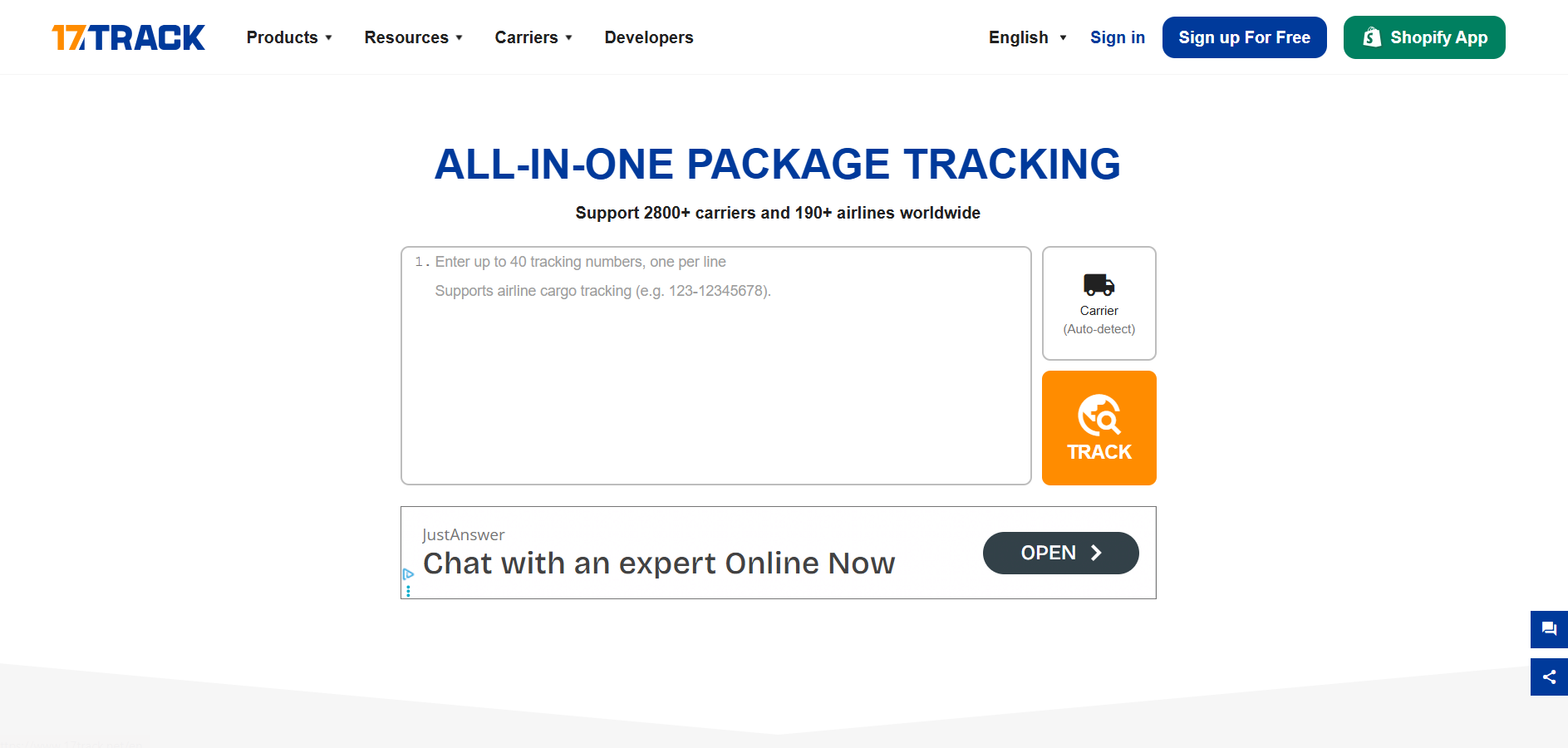
17TRACK is a global multi-carrier tracking platform, widely used by cross-border sellers and marketplaces. It consolidates international shipments, making it easier for sellers to keep buyers updated.
Highlights
- Good for cross-border sellers.
- Widely adopted by international marketplaces.
- Affordable and easy-to-use solution.
Rating (G2/Capterra Avg.)
⭐ 4.2/5
ParcelLab
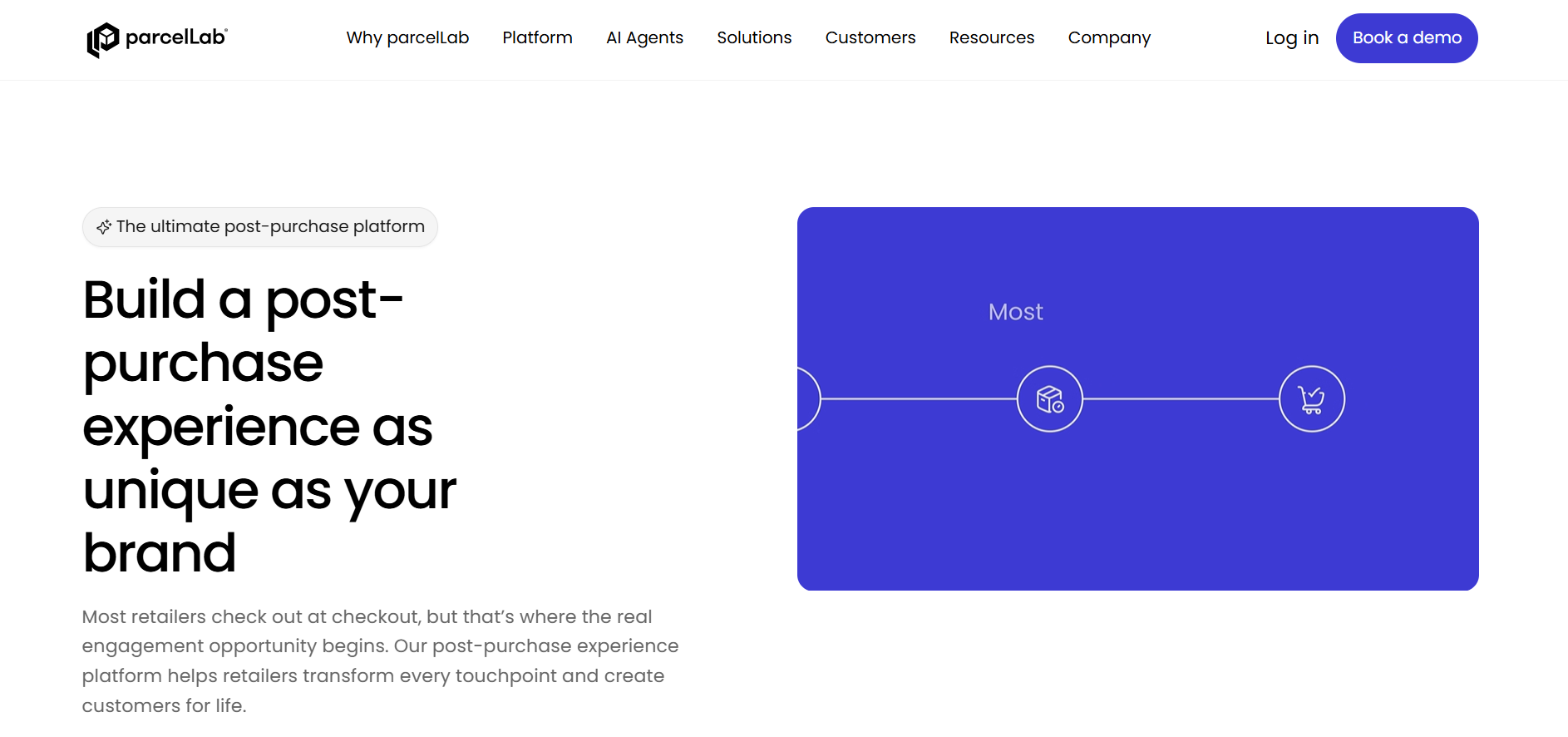
ParcelLab specializes in post-purchase engagement and sustainability insights, making it popular with retailers focused on customer experience. It helps brands retain customer attention and communicate value after checkout.
Highlights
-
- Focused on enhancing customer experience.
- Sustainability features stand out from competitors.
- Strong in branded communication after checkout.
Rating (G2/Capterra Avg.)
⭐ 4.6/5
Sorted
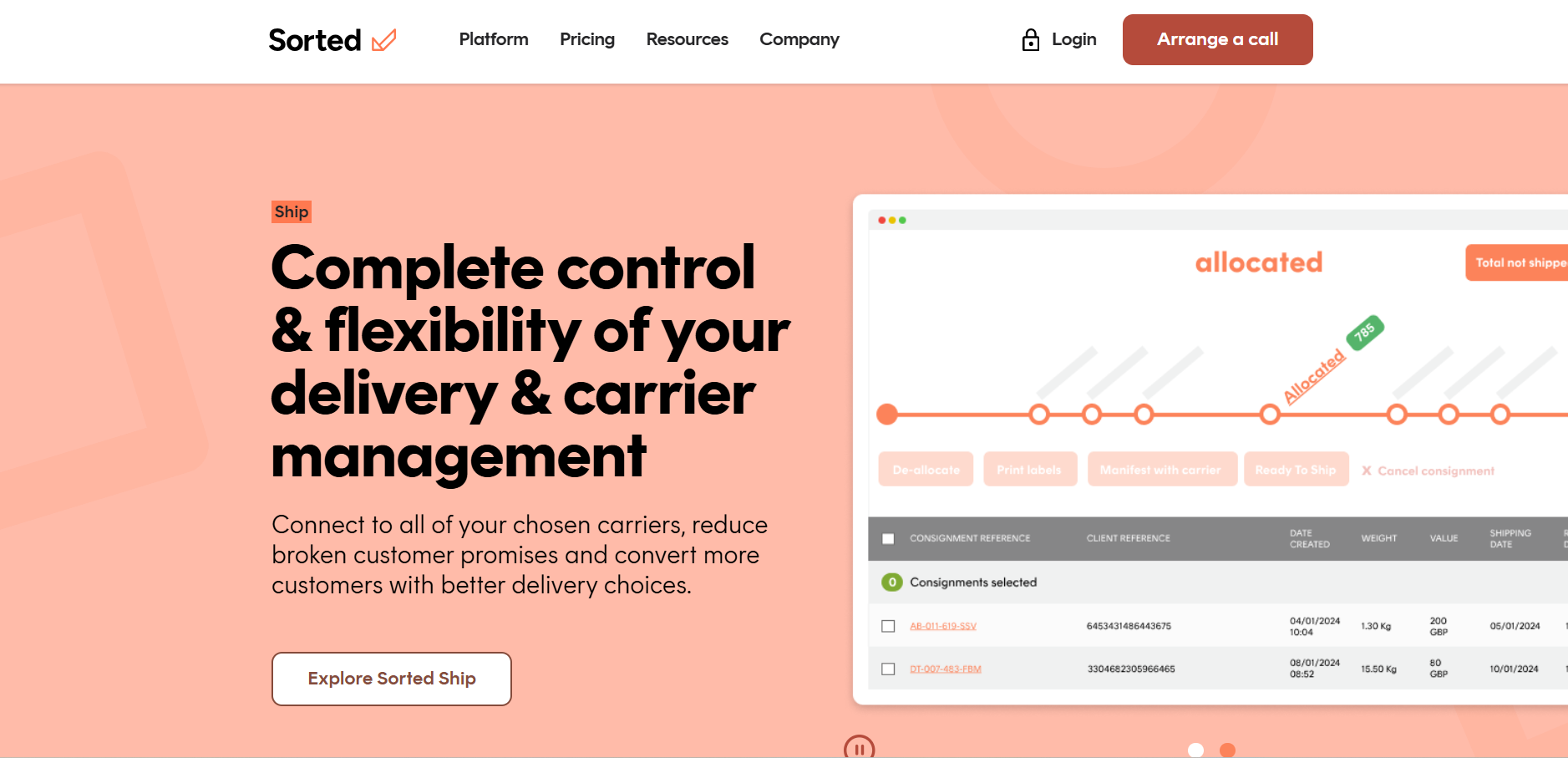
Sorted offers delivery management and returns tracking solutions for omnichannel retailers. It enables businesses to unify shipping across physical stores, warehouses, and online platforms.
Highlights
- Built for omnichannel retailers.
- Strong focus on unifying store + online delivery operations.
- Simplifies customer returns.
Rating (G2/Capterra Avg.)
⭐ 4.3/5
Tradlinx
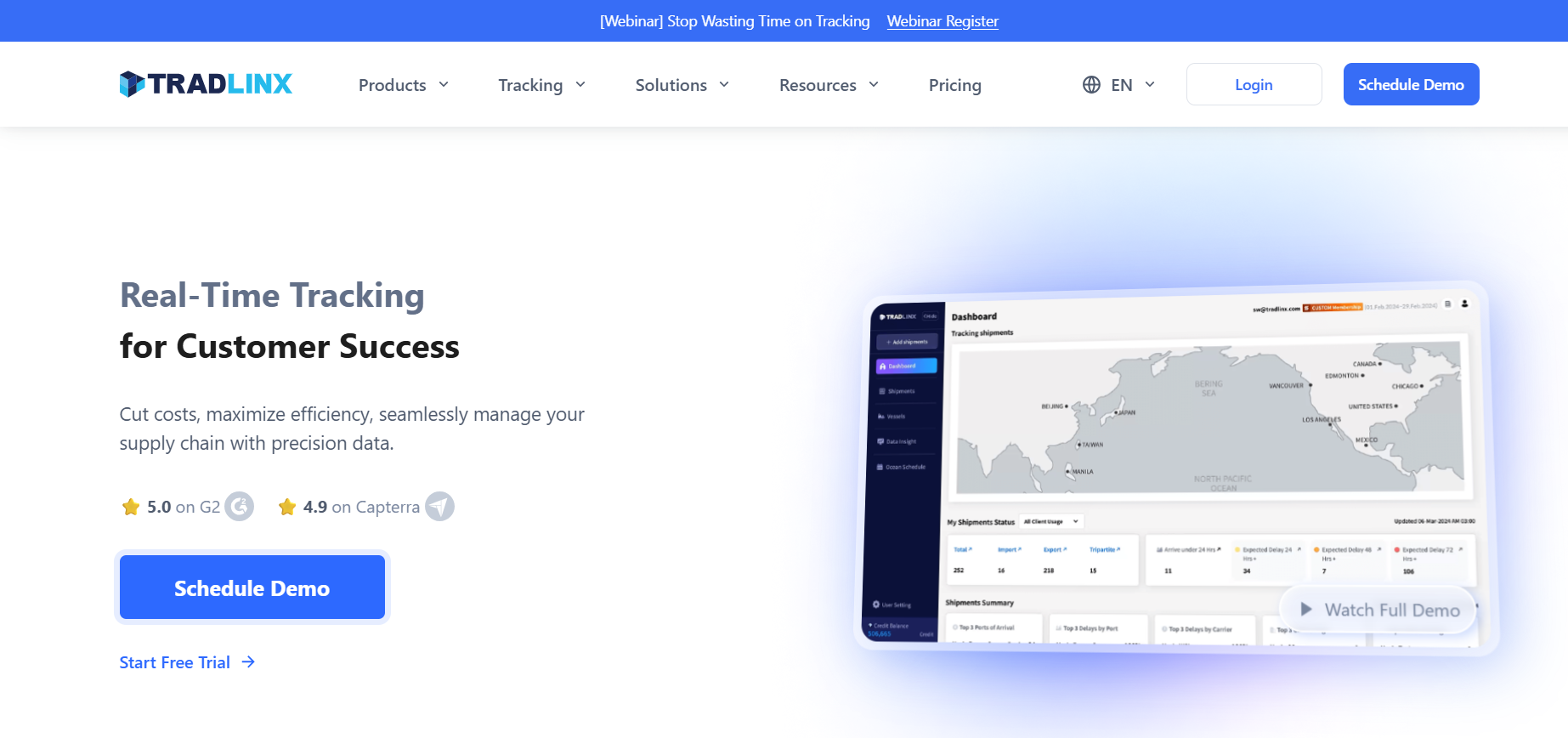
Tradlinx is a logistics platform focused on freight forwarding and visibility tools. It is designed for logistics providers and enterprises managing international freight operations.
Highlights
- Ideal for logistics providers and freight forwarders.
- Strong in visibility for international supply chains.
- Simplifies freight monitoring across modes.
Rating (G2/Capterra Avg.)
⭐ 4.2/5
Why Shipment Tracking Software Matters in 2026
The logistics and ecommerce industry has changed significantly over the past few years, and shipment tracking software has become an increasingly important part of modern delivery operations. Customers now expect faster deliveries, accurate estimated delivery dates, real-time notifications, and clear visibility into where their orders are at every stage of the journey. Same-day and next-day delivery expectations, proactive shipment updates, and more transparent post-purchase experiences are influencing how customers evaluate ecommerce brands. For businesses, this means that simply shipping an order is no longer enough. They also need a reliable shipment tracking system that provides real-time order tracking, delivery tracking, and shipment visibility across multiple carriers.
Without an effective shipment tracking solution, businesses can face several operational and customer-experience challenges. Missed deliveries can result in additional delivery attempts and higher logistics costs, while limited tracking information can lead to a high volume of WISMO (Where Is My Order?) queries. Manual tracking across multiple courier portals can also consume valuable time and make it difficult for teams to identify delivery exceptions quickly. For growing businesses, the absence of centralized logistics tracking can further create challenges around carrier management, delivery performance monitoring, and supply chain visibility.
Some of the common challenges businesses face without efficient real-time shipment tracking include:
- Missed deliveries and costly redelivery attempts: Limited delivery visibility can make it harder to identify potential delivery issues and take corrective action before a shipment fails.
- High volume of order-status queries: When customers cannot easily access shipment updates, support teams often have to handle repeated WISMO queries manually.
- Poor post-purchase experience: Delayed, inaccurate, or inconsistent tracking updates can create uncertainty and negatively affect the overall customer experience.
- Inefficient carrier management: Businesses working with multiple courier partners may struggle to monitor carrier performance without centralized shipment tracking and analytics.
- Limited supply chain visibility: Without consolidated tracking data, businesses may have difficulty understanding shipment movement across different stages of the delivery process.
- Higher return-to-origin (RTO) rates: Failed delivery attempts, missed communication, and unresolved delivery exceptions can contribute to shipments being returned to the seller.
- Manual tracking and exception handling: Checking individual carrier portals and manually updating customers can increase operational workload and the risk of human error.
- Difficulty meeting faster delivery expectations: As customers increasingly expect quicker fulfillment and accurate delivery timelines, businesses need better visibility to monitor and manage delivery performance.
A modern shipment tracking system addresses many of these challenges by bringing shipment information from different carriers into a centralized platform. Businesses can monitor real-time shipment status, automate customer notifications, identify delayed shipments, track delivery exceptions, and provide customers with more accurate order tracking information. Features such as estimated delivery dates, branded tracking pages, automated alerts, carrier performance analytics, and multi-carrier tracking can also help businesses create a more connected post-purchase journey.
Real-time visibility is particularly valuable for both B2B and B2C ecommerce businesses, where delivery expectations and operational requirements can vary significantly. B2C brands can use automated tracking notifications to keep individual customers informed, while B2B businesses can use centralized shipment visibility and logistics tracking to monitor larger and more complex shipments. In both cases, access to timely tracking information can help teams respond to exceptions faster, improve communication, and gain greater control over their delivery operations.
According to McKinsey research, real-time tracking and visibility are increasingly important differentiators in ecommerce and logistics. Investing in the right shipment tracking software can therefore go beyond simply showing a package’s location. It can connect order tracking, delivery tracking, carrier management, automated notifications, exception management, and shipment analytics in one workflow, helping businesses build a more transparent and reliable delivery experience as ecommerce continues to evolve in 2026.
Shipment Tracking Use Cases: B2B vs D2C
Shipment tracking use cases can vary significantly depending on the type of business, order volume, customer expectations, and logistics network. A D2C brand shipping individual orders directly to consumers typically focuses on providing a smooth customer experience, accurate order tracking, and timely delivery notifications. A B2B enterprise, on the other hand, may need to monitor bulk shipments, coordinate multiple carriers, manage delivery commitments, and maintain strict service-level agreements (SLAs). This is why choosing a shipment tracking system based only on basic tracking capabilities may not be enough. Businesses need a solution that matches the way their logistics operations actually work.
For D2C businesses, shipment tracking software is often closely connected to the customer experience. Customers want to know when their order has been shipped, where it is currently located, whether it is out for delivery, and when they can expect it to arrive. Features such as real-time shipment tracking, automated delivery notifications, branded tracking pages, estimated delivery dates, delivery exception alerts, and proactive communication can help D2C brands keep customers informed throughout the post-purchase journey. Better visibility can also help reduce WISMO (Where Is My Order?) queries and give customer support teams access to shipment information without having to check multiple courier portals.
B2B businesses generally have more complex logistics tracking requirements. A single shipment may contain multiple products, larger quantities, or time-sensitive goods, and deliveries may need to meet predefined SLAs or scheduled receiving windows. B2B teams may therefore require capabilities such as bulk shipment tracking, SLA monitoring, multi-carrier management, delivery performance analytics, exception management, proof of delivery, and centralized shipment visibility. For large enterprises, a logistics control tower can provide a broader view of shipments across carriers, locations, customers, and transportation networks, allowing operations teams to identify bottlenecks and take action before they affect business commitments.
Shipment Tracking Use Cases: B2B vs D2C
| Shipment Tracking Use Case | D2C Businesses | B2B Enterprises |
|---|---|---|
| Real-time shipment tracking | Keep customers updated on individual orders | Monitor bulk and scheduled shipments |
| Order tracking | Give customers visibility from dispatch to delivery | Track purchase orders, consignments, and deliveries |
| Delivery notifications | Send automated SMS, email, or other status updates | Notify internal teams, customers, and stakeholders about important milestones |
| Multi-carrier tracking | Track orders across multiple courier partners | Consolidate tracking data across carriers, regions, and transportation networks |
| Shipment visibility | Improve customer confidence and post-purchase experience | Provide centralized visibility across complex logistics operations |
| SLA tracking | Monitor promised delivery timelines | Track contractual delivery commitments and service levels |
| Delivery exception management | Identify delays, failed attempts, and address issues | Manage operational exceptions before they affect customer or SLA commitments |
| Carrier management | Compare delivery performance across courier partners | Analyze carrier performance, costs, SLAs, and service quality at scale |
| Proof of delivery | Confirm successful customer delivery | Maintain delivery records for business customers and internal processes |
| Analytics and reporting | Understand delivery trends and customer experience | Analyze carrier performance, transit times, delays, and logistics KPIs |
| RTO management | Identify and recover potentially failed deliveries | Monitor returns and exceptions across high-volume shipment networks |
| Control tower visibility | Useful as the brand scales its logistics network | Centralized view of shipments, exceptions, carriers, and operations |
The difference becomes particularly important as businesses scale. A D2C brand may initially need a straightforward shipment tracking solution to provide automated updates and improve delivery visibility, but as its order volume and carrier network grow, it may also need better exception management, analytics, and carrier performance tracking. Similarly, a B2B enterprise may require a more advanced shipment tracking platform from the beginning because of complex shipment flows, multiple stakeholders, regional operations, and SLA requirements.
Ultimately, the right shipment tracking software should go beyond simply displaying a shipment’s current status. For D2C brands, it should support a transparent and engaging customer journey through accurate delivery tracking, real-time updates, automated notifications, and post-purchase visibility. For B2B organizations, it should provide deeper logistics tracking, SLA compliance monitoring, carrier management, exception handling, analytics, and control tower visibility. Mapping these requirements against the capabilities of different tracking platforms can help businesses select a solution that fits their operational model rather than adopting a tool that only provides basic tracking information.
Whether you’re a fast-scaling D2C brand or a large B2B enterprise, effective shipment visibility can help reduce unnecessary customer queries, improve delivery communication, identify exceptions earlier, and give logistics teams greater control over their operations. When connected with shipping automation, carrier management, analytics, and customer communication, shipment tracking can become more than a status-update function, it can become an important part of building a reliable and scalable logistics operation.
Key Features to Look for in a Shipment Tracking Tool
Not all shipment tracking software is built the same. Some platforms provide basic shipment status updates, while others offer a broader set of capabilities for real-time tracking, delivery management, customer communication, exception handling, and logistics visibility. For ecommerce brands, this distinction becomes particularly important as order volumes increase and businesses begin working with multiple courier and logistics partners. The best shipment tracking software should therefore do more than show the current location of a package. It should help businesses improve shipment visibility, automate repetitive tracking activities, and provide customers with a reliable way to follow their orders.
For growing online businesses, ecommerce shipment tracking has become an important part of the overall post-purchase experience. Customers want access to real time order tracking from the moment an order is dispatched until it reaches their doorstep. At the same time, operations teams need accurate shipment information to identify delays, monitor carrier performance, and resolve delivery exceptions. This is why the best shipment tracking software for ecommerce should combine customer-facing tracking features with operational tools that help businesses manage their delivery network more efficiently.
Before selecting shipment tracking software for ecommerce businesses, it is important to look beyond basic tracking functionality and evaluate the features that can have a direct impact on delivery performance, customer satisfaction, and operational efficiency. Here are some of the key capabilities businesses should consider:
- Multi-carrier integration – A reliable shipment tracking platform should connect with multiple local, national, and international carriers. This allows businesses to consolidate tracking information from different courier partners into a single system. For brands using several carriers, this creates a more consistent ecommerce shipment tracking experience and eliminates the need to repeatedly check individual carrier portals.
- Real-time shipment tracking – Customers and logistics teams should have access to accurate shipment statuses throughout the delivery journey. Real time order tracking can provide visibility from order processing and carrier pickup through in-transit movement, out-for-delivery status, and final delivery. This level of visibility can also help businesses identify delayed shipments and communicate with customers before issues escalate.
- Customizable branded tracking pages – A branded tracking page allows businesses to provide order updates without sending customers away from their own digital ecosystem. Instead of directing customers to a courier website, brands can create a customized tracking experience that includes their logo, colors, messaging, support information, and even relevant product recommendations. This makes ecommerce shipment tracking feel like a natural extension of the brand experience.
- Accurate ETA and delivery predictions – Modern shipment tracking systems can use historical shipment information, carrier performance, route data, and other operational signals to provide more accurate estimated delivery dates. Advanced platforms may also use predictive analytics or AI-powered models to identify potential delays. Accurate ETAs make real time order tracking more useful because customers receive a clearer understanding of when their orders are likely to arrive.
- Exception management – Delays, failed delivery attempts, incorrect addresses, customer unavailability, and NDR (Non-Delivery Report) events can quickly disrupt the delivery process. A good tracking solution should automatically identify these exceptions and alert the appropriate teams. For ecommerce businesses, effective exception management is an important part of reducing failed deliveries and improving the overall shipment tracking experience.
- Automated customer notifications – Customers should not have to repeatedly check a tracking page to understand what is happening with their order. The best shipment tracking software can automatically send notifications through channels such as SMS, email, WhatsApp, or other communication platforms. Updates can be triggered for key milestones such as shipment confirmation, dispatch, transit, out-for-delivery status, delays, and successful delivery.
- Delivery analytics and reporting – Tracking data can provide valuable insights when it is organized into meaningful reports. Businesses can use delivery analytics to monitor transit times, delivery success rates, delays, failed delivery attempts, NDRs, RTOs, and other logistics KPIs. These insights can help ecommerce businesses understand where delivery performance can be improved and make more informed decisions about their shipping operations.
- Carrier performance monitoring – Businesses working with multiple courier partners need visibility into how each carrier is performing. A shipment tracking system can help teams compare metrics such as transit time, delivery success rate, exception frequency, SLA adherence, and delivery performance across different regions. This is particularly useful for businesses looking for shipment tracking software for ecommerce businesses that can support more complex multi-carrier operations.
- Centralized shipment visibility – A strong shipment tracking platform should bring shipment information from different carriers, regions, warehouses, and delivery stages into one place. Centralized shipment visibility gives operations teams a consolidated view of their logistics network and makes it easier to identify shipments that may require attention. For larger businesses, this can become an important part of day-to-day logistics management.
- NDR and RTO management – Failed deliveries can increase shipping costs and negatively affect the customer experience. Tracking platforms with NDR and RTO management capabilities can help businesses identify at-risk shipments, trigger customer communication, and initiate recovery workflows. Combining ecommerce shipment tracking with NDR management can help businesses take action before a failed delivery turns into a return-to-origin shipment.
- API and system integrations – A tracking platform should integrate smoothly with ecommerce platforms, order management systems, ERPs, CRMs, warehouse management systems, and other business applications. Strong API capabilities allow order and shipment information to move between systems without extensive manual intervention. This creates a more connected tracking workflow and makes real time order tracking information available across the business.
- Scalability – The tracking requirements of a small online retailer can be very different from those of an enterprise processing thousands or millions of shipments. Businesses should therefore consider whether a platform can support higher shipment volumes, additional carriers, new regions, and increasingly complex workflows. The best shipment tracking software should be able to grow alongside the business rather than becoming a limitation as operations expand.
Choose a shipment tracking solution that does more than show a package’s location. Real time order tracking, multi-carrier connectivity, automated notifications, accurate ETA predictions, exception management, NDR recovery, and delivery analytics create a connected delivery operation. These features matter most for businesses handling high order volumes without compromising the customer experience.
For ecommerce brands, ecommerce shipment tracking does more than tell customers where a package is. It gives support teams faster answers, helps logistics teams spot delays sooner, and shows operations managers how carriers are performing. A strong tracking platform also cuts manual follow-ups by collecting shipment updates automatically and sharing useful information with customers and internal teams.
Businesses should choose a platform based on their operational needs. A startup may only need simple order tracking and automated notifications. A larger enterprise may need carrier analytics, SLA monitoring, NDR management, APIs, and centralized shipment visibility. The right shipment tracking software combines the features, integrations, automation, and scalability the business needs today, with room to grow.
Choosing the Right Tool for 2026
Shipment tracking is no longer limited to showing where a package is at a given moment. In 2026, customers expect a clear delivery experience with timely updates, accurate estimated delivery dates, and simple access to order details. That expectation makes shipment tracking software a core part of the ecommerce technology stack. A dependable shipment tracking system gives customers real time shipment tracking and automatically shares key events, including dispatch, transit, delays, out-for-delivery status, and successful delivery.
For ecommerce brands, real time order tracking makes the post-purchase experience easier to follow. Customers don’t have to wonder whether an order has shipped or when it may arrive because they can check relevant updates throughout the delivery journey. Automated notifications can reduce uncertainty further by sending information through customers’ preferred channels. As a result, ecommerce shipment tracking is no longer only an operations task. It has a direct impact on customer experience.
Logistics and operations teams also benefit. A solid tracking solution can collect data from multiple carriers in one centralized system, so teams don’t need to switch constantly between courier portals. They can follow shipment movement, spot exceptions, review delivery performance, and respond when a package is delayed or likely to fail. For brands handling high shipment volumes, shipment tracking software for ecommerce businesses becomes part of daily logistics work. It gives teams a clearer view of orders without adding more manual checks.
The right platform helps businesses deal with delivery exceptions before they become bigger problems. If a shipment faces a delay, failed delivery attempt, address issue, or NDR, the system can notify the appropriate team and start predefined workflows. Pairing automated exception management with real time order tracking lets teams respond quickly while customers stay informed. It can also cut down on unnecessary support requests and make deliveries feel more predictable.
Scalability matters as well. A growing D2C brand’s needs can shift quickly as order volumes rise, product lines expand, and new courier partners come onboard. A platform that handles a few hundred shipments may not offer the same functionality once a business manages thousands of orders across several locations. Businesses reviewing the best shipment tracking software for ecommerce should look beyond current requirements and consider whether the platform can keep pace with future growth.
A scalable ecommerce shipment tracking platform needs to support multiple carriers, shipping services, regional delivery networks, and larger order volumes. It also needs integrations that connect ecommerce stores, order management systems, warehouse operations, and customer communication channels. Connected systems create a more consistent flow of shipment data and reduce the manual tracking work required from operations teams. That matters most as delivery operations become more complex.
Customer communication should carry real weight during the selection process. A tracking solution that only displays shipment information may fall short for brands trying to improve the post-purchase experience. Automated SMS, email, and WhatsApp notifications, branded tracking pages, proactive delay alerts, and accurate ETAs keep customers updated without making them contact support repeatedly. In practice, shipment tracking software can directly improve customer engagement and delivery communication.
Businesses should also review a platform’s analytics. Shipment data can highlight trends in carrier performance, transit times, delivery exceptions, failed delivery attempts, and RTOs. Logistics teams can use those patterns to find recurring issues and improve delivery processes. The best shipment tracking software supports daily shipment monitoring while also helping teams make longer-term logistics decisions.
Centralized shipment visibility is especially useful for businesses working with several carriers. Rather than checking every shipment in separate courier systems, teams can view tracking information through one interface. This makes it simpler to manage large order volumes, identify delayed shipments, compare carrier performance, and maintain control over delivery operations. Customer support teams also get a clearer picture of shipment status when buyers ask about their orders.
The right tracking solution should match the business’s actual needs, not simply offer the largest feature list. A D2C brand may care most about branded tracking pages, customer notifications, and real time order tracking. A B2B enterprise may instead prioritize SLA monitoring, carrier analytics, bulk shipment visibility, and exception management. Recognizing those differences helps businesses select the best shipment tracking software for ecommerce operations without paying for capabilities they won’t use.
The best shipment tracking software for ecommerce should connect customer experience with logistics operations. It should make tracking details easy to find, automate routine updates, provide useful delivery insights, and help teams act when shipments don’t move as planned. Combined with carrier management, delivery analytics, NDR management, and automated workflows, tracking becomes a practical part of an efficient shipping operation.
For businesses assessing shipment tracking software for ecommerce businesses in 2026, the priority is finding the right balance of visibility, automation, integrations, customer communication, and scalability. A reliable shipment tracking system can reduce repetitive status queries, improve delivery communication, give teams better control over logistics performance, and create a smoother post-purchase journey. In a competitive ecommerce market, those capabilities help businesses offer a delivery experience that is transparent, connected, and easier to manage.
The Hidden Driver of Customer Trust
After analyzing the challenges businesses face and comparing the strengths of different shipment tracking tools, one thing becomes clear: tracking is no longer a nice-to-have; it’s the backbone of customer trust. The right solution reduces support tickets, prevents costly delivery mishaps, and creates a post-purchase journey that feels effortless for customers. It’s not just about features on a checklist, but about how well a platform can adapt, automate, and grow with your business.
That’s why intelligent platforms like eShipz don’t just manage shipments, they reimagine them. By blending automation, real-time visibility, and seamless integrations, they turn logistics from a routine operation into a trust-building experience that customers remember.
Don’t just track shipments, transform them into trust-building moments
With eShipz shipment tracking, build it today with eShipz